
Join our membership

Climate Pact Ambassadors’ Recommendations for the new EU Agenda 2024-2029

Why this document?

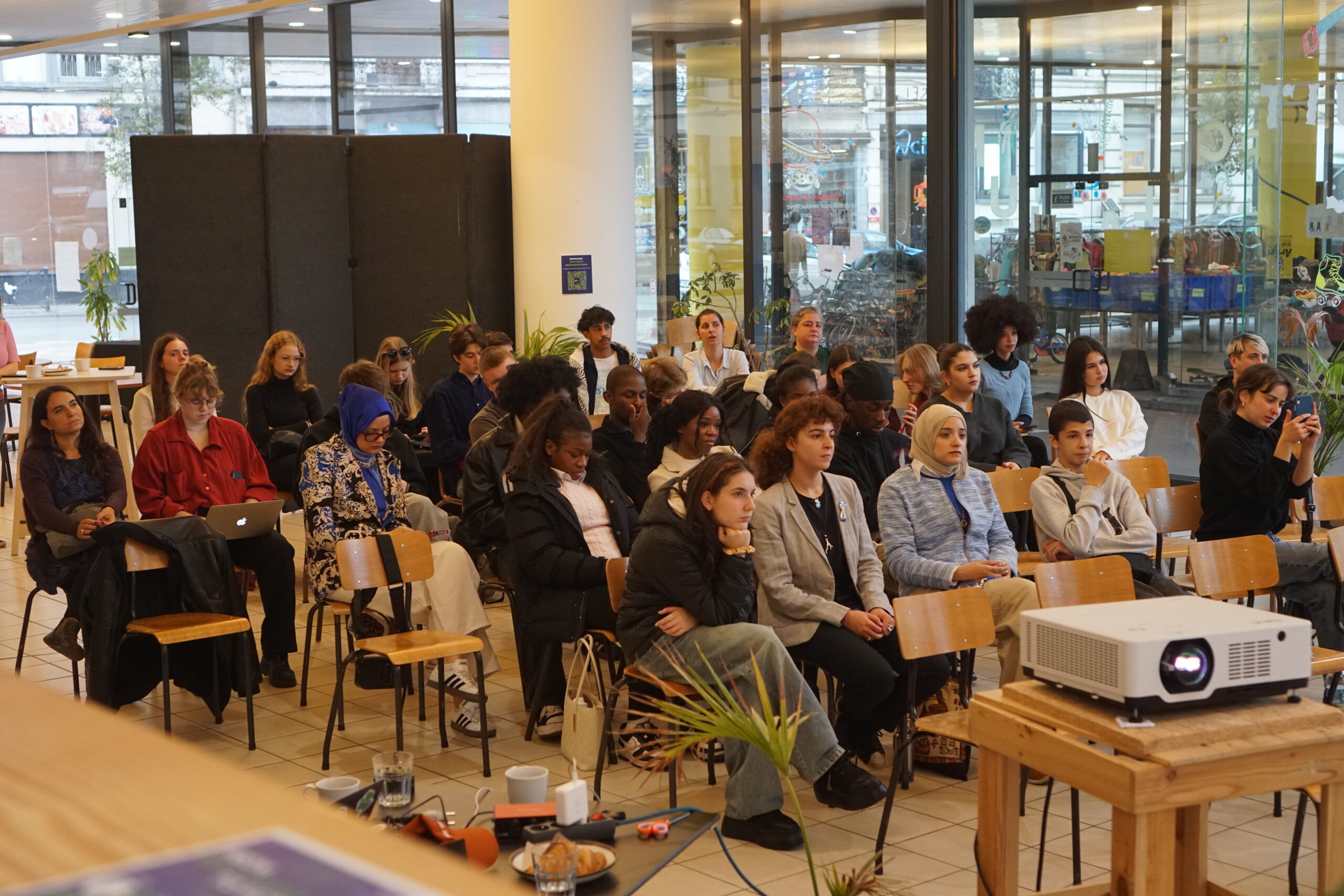
Six Belgium Climate Pact Ambassadors have gathered their thoughts and recommendations in this document to inspire the EU Commission’s next 2024-2029 agenda, in the hope to see it reflect citizens’ needs, the reduction of inequalities as well as the preservation of natural resources and planetary boundaries as an utmost priority. To this effect, we aim to bring our expertise to the service of ambitious and equitable climate and environmental policies.

What is the Climate Pact?

The European Climate Pact is a movement of people united around a common cause, each taking steps in their own worlds to build a more sustainable Europe. Launched by the European Commission, the Pact is part of the European Green Deal and is helping the EU to meet its goal to become climate-neutral by 2050. European Climate Pact Ambassadors and Partners are selected by the European Commission to inform, inspire and support climate policy and action in their own communities and networks.
More publications

QUEST’S Response to the European Commission’s Call for Evidence on New Education Package

This submission responds jointly to the three linked initiatives open for evidence : - Strengthening basic skills and improving performance in school education - EU Teachers Agenda: Enhancing the attractiveness of the education and training profession - Quality education for all: a 2040 roadmap

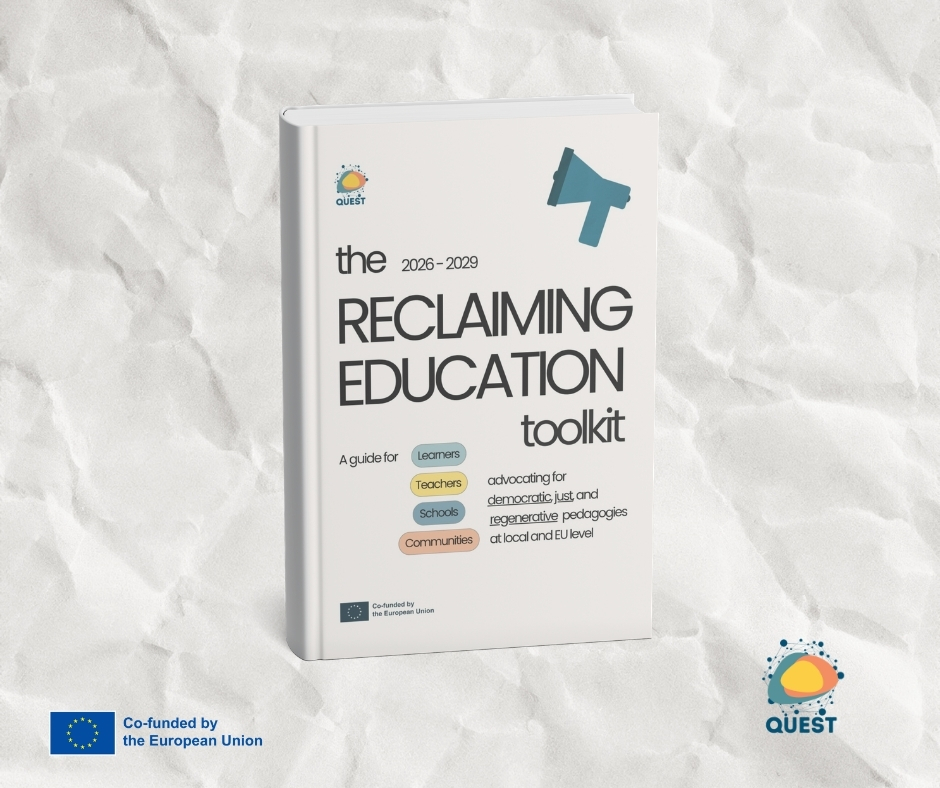
The Reclaiming Education Toolkit

This toolkit wants to demystify EU advocacy and help you navigate local and European decision-making, so that your school / organisation can raise their concerns and visions for education at different levels.

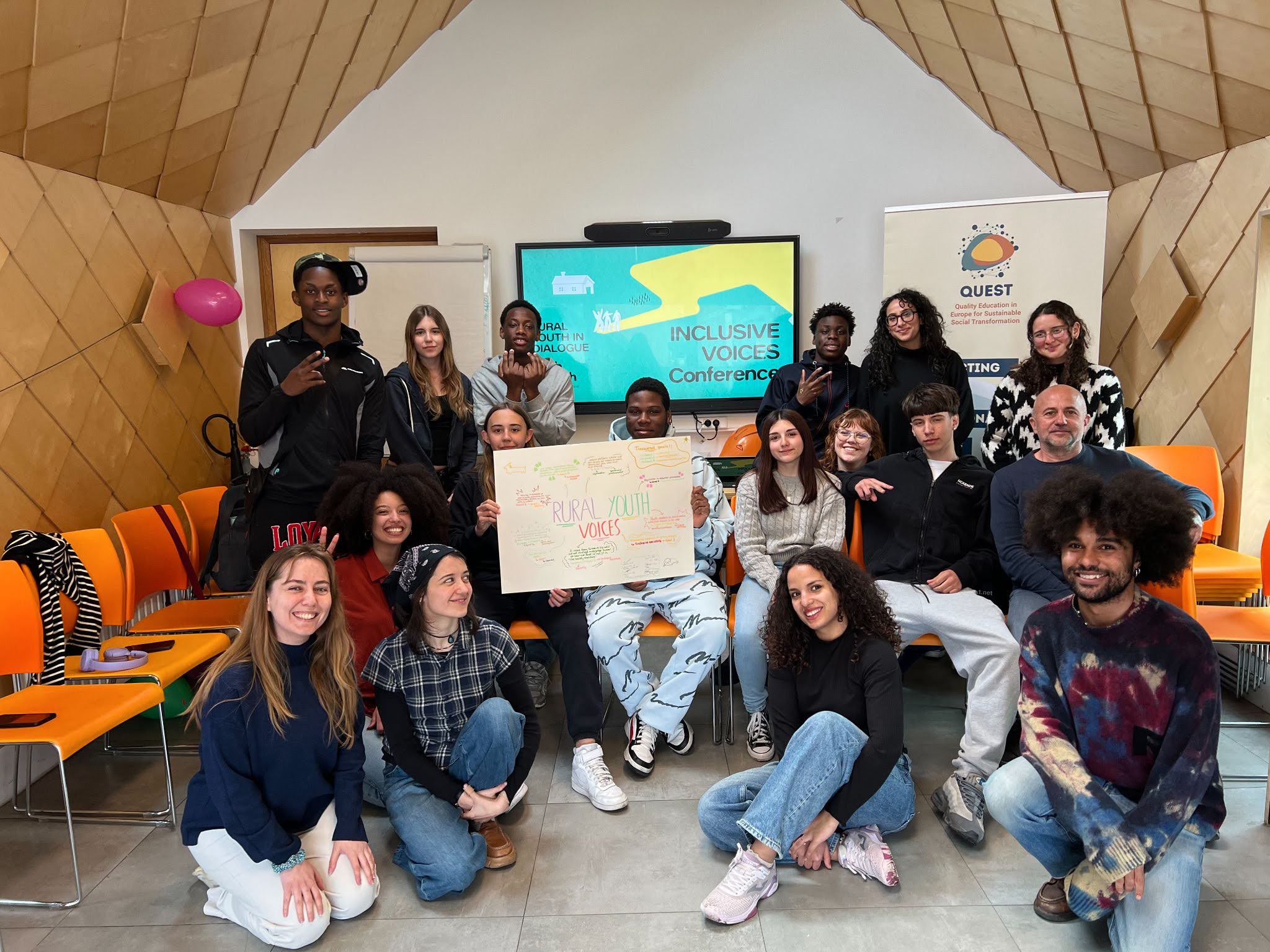
The Change We Want: A Manifesto by Rural Young People in Europe

At QUEST, we believe young people don’t need adults to translate what they want to say. Too often, they are tokenised, routinely consulted to check a box, yet shut out from meaningful decision-making on the very issues that shape their lives. They need real space to say it, and real doors opened to the people who can act on it. Giving rural youth the room to define their own demands, in their own words and their own format, and then walking those demands into institutions like the EESC and the Committee of the Regions, is exactly the kind of empowerment we exist to make possible.