 -->
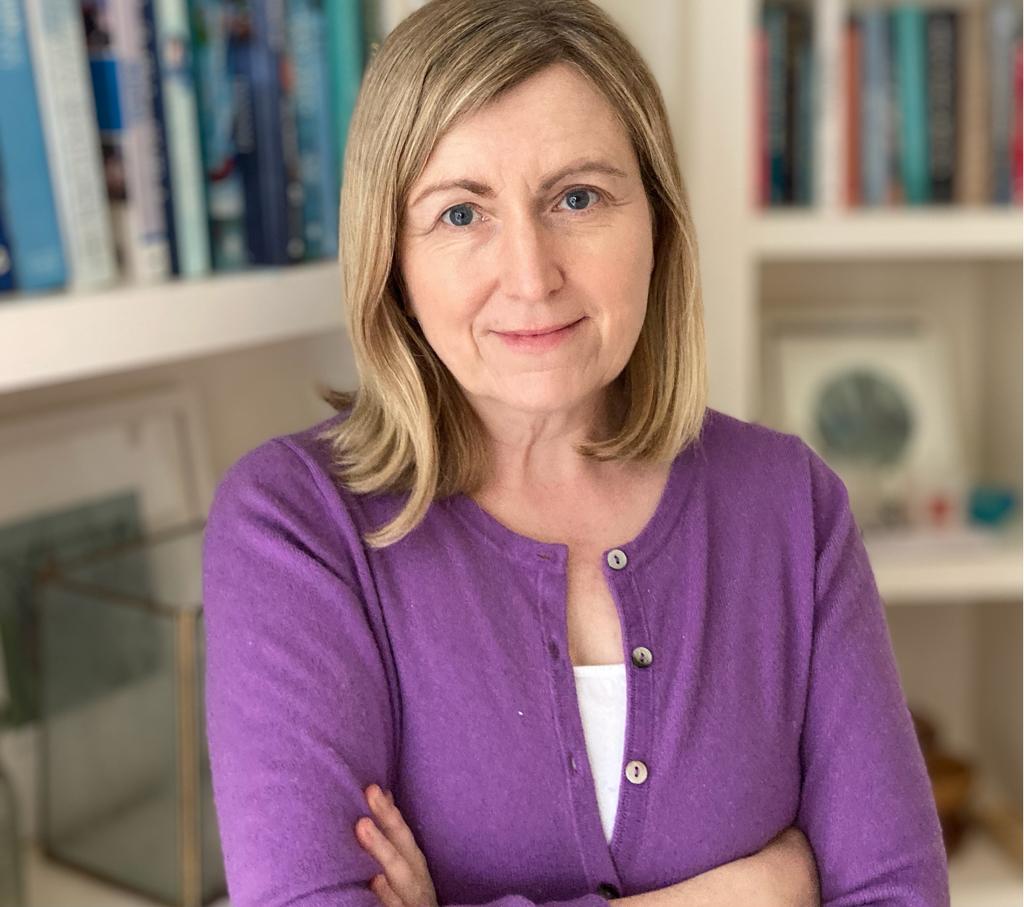
Laura Lundy
Professor Emerita of Children’s Rights at Queen’s University




09:30–
09:45
Martina Paone — QUEST Coordinator
09:45 -
10:00
Professor Emerita of Children’s Rights at Queen’s University
Professor, School of Education, Queensland University of Technology
From Consultation to Co-Creation: Child Leadership in Practice in Bosnia & Herzegovina and Serbia
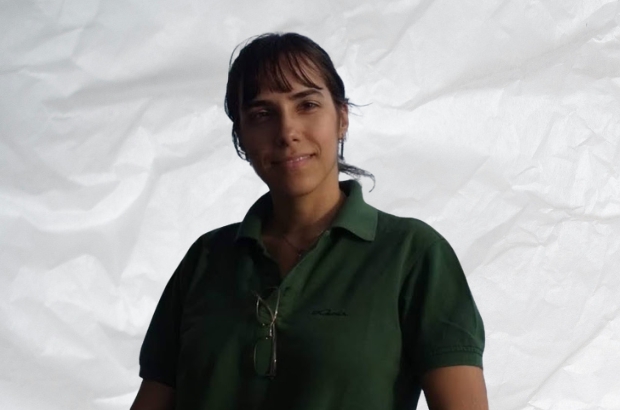
Nejira Pašić is the Children's Rights Project Lead for Southeast Europe at the Global Campus of Human Rights, where she leads children’s rights mainstreaming and programming, including the Child Leadership Team and Youth Advisory Group. She is also a Lecturer at the Sarajevo School of Science and Technology, teaching research methods, public policy and human rights. She holds an MA in Human Rights and Democracy and is completing a PhD at the University of Buckingham. She is based in Sarajevo, BiH.
Reimagining Educational Research Through Children’s Participation: Insights from Transdisciplinary and Participatory Approaches
Sarah Zerika holds a PhD in Educational Sciences (Faculty of Psychology and Educational Sciences, University of Geneva) and is a Substitute Research and Teaching Fellow at the University of Geneva’s Centre for Children’s Rights Studies. Her research focuses on children’s rights and participation in education, school climate, transdisciplinary approaches, and the ethics of research involving children.
Reimagining Educational Research Through Children’s Participation: Insights from Transdisciplinary and Participatory Approaches
Johanna Zelck is a research and teaching assistant at the Martin-Luther-University Halle-Wittenberg at the Institute for School Pedagogy and Primary School Didactics. Her doctoral research focuses on children’s interpretation and negotiations of the generational order and adultism, using elements of participatory research with children in primary school age. Orcid: https://orcid.org/0009-0002-8794-9835
Reimagining Educational Research Through Children’s Participation: Insights from Transdisciplinary and Participatory Approaches
Reimagining Educational Research Through Children’s Participation: Insights from Transdisciplinary and Participatory Approaches
Reimagining Educational Research Through Children’s Participation: Insights from Transdisciplinary and Participatory Approaches
Reimagining Educational Research Through Children’s Participation: Insights from Transdisciplinary and Participatory Approaches
From Participation to Practice: How Evidence-Based Wellbeing and Equity-Focused Leadership Can Shift Power Towards Children’s Voices in Education
From Participation to Practice: How Evidence-Based Wellbeing and Equity-Focused Leadership Can Shift Power Towards Children’s Voices in Education
Rights-based participation of children with special educational needs in educational decision-making
Lenka Mazakova is a co-founder of the Slobodna skola. She specializes in designing and implementing inclusive educational practices for students with diverse needs and behavioral challenges in democratic school environment. She develops strategies to ensure accessibility and inclusivity in self-directed education, creates teaching resources, and supports families in nurturing learning environments. Experienced in teacher training, curriculum innovation, and evidence-based pedagogy, she contributes to monitoring and evaluating educational practices and refining them for greater impact. She actively participates in designing and conducting training sessions and conferences, bringing practical expertise and a collaborative approach to fostering inclusive, student-centered learning.
Creating a Safe, Inclusive and Supportive Classroom
Young Children’s Voices in Educational Decision-Making: Power and Participation in Disadvantaged Preschool Classrooms
Duygu Yalman Polatlar is an Assistant Professor at Fatih Sultan Mehmet Vakıf University, Türkiye. Her research interests span early childhood education, children's literature, and children's rights, with a particular focus on picturebooks, representations of childhood, and children's voices and participation. Her work explores how children's perspectives are represented, expressed, recognised, and valued across literary and educational contexts. Her current collaborative research examines young children's participation and power relations in everyday decision-making processes in socioeconomically disadvantaged preschool classrooms. Through her work, she seeks to contribute to more inclusive, participatory, and democratic approaches to early childhood education.
Young Children’s Voices in Educational Decision-Making: Power and Participation in Disadvantaged Preschool Classrooms
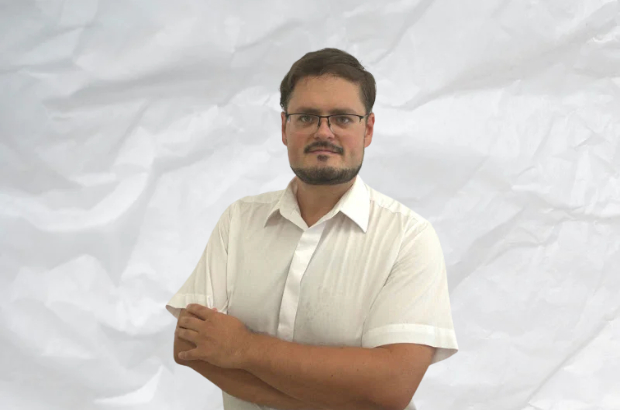
Alperen Avcı is a lecturer at Muş Alparslan University, Türkiye, and a PhD candidate in Preschool Education at Fatih Sultan Mehmet Vakıf University. His research focuses on early childhood education, child development, child rights, early literacy, executive functions, digital technology, and family involvement.
Re-examining the School Form Through Students’ Voices: Perspectives for a More Democratic School
Re-examining the School Form Through Students’ Voices: Perspectives for a More Democratic School
Sarah Zerika holds a PhD in Educational Sciences (Faculty of Psychology and Educational Sciences, University of Geneva) and is a Substitute Research and Teaching Fellow at the University of Geneva’s Centre for Children’s Rights Studies. Her research focuses on children’s rights and participation in education, school climate, transdisciplinary approaches, and the ethics of research involving children.
Policy Frameworks for Evaluating Democratic Learning Environments
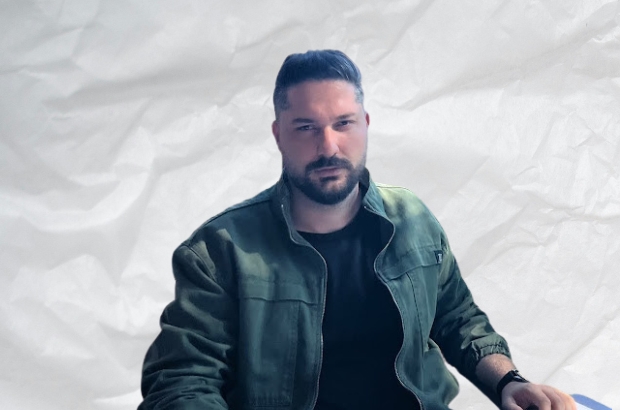
Juraj Mazak is an expert in democratic and self-directed education, focusing on systemic change in education. He supports the development of school structures, policies, and practices that foster student autonomy, participatory decision-making, and inclusive learning. Juraj has experience in mentoring educators, guiding curriculum innovation, and aligning democratic practices with local educational regulations. His work helps schools to create frameworks where students can take responsibility for their learning, engage meaningfully in school life, and develop skills for lifelong learning.
“Rethinking School Leaver’s Certificates”
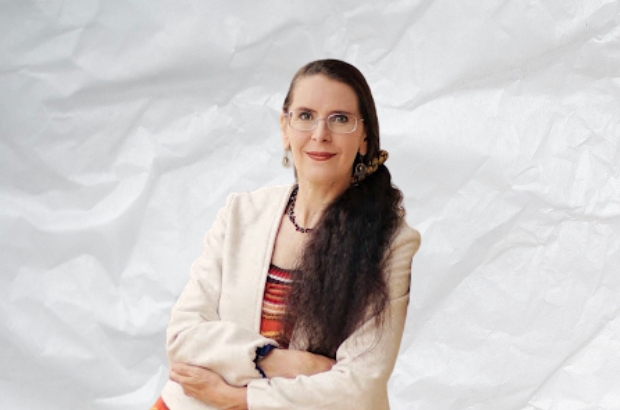
Je’anna is a writer, mother, international conference speaker and podcast guest in the field of Self-Directed Education, and co-founder and key facilitator for 8 years at Riverstone Village - South Africa’s first fully Self-Directed democratic education community. She runs online courses and support groups for parents, educators, founders and staff facilitating Self-Directed Education, with a special focus on SDE for PDA (Pathological Demand Avoidance.)
“No Punishments, No Rewards – only restorative practices”
13:00 - 13:15

 -->
 -->
 -->
 -->
 -->
 -->
 -->
 -->
 -->
 -->