Join our membership

QUEST answer to the European Education Interim Evaluation

The European Education Area today

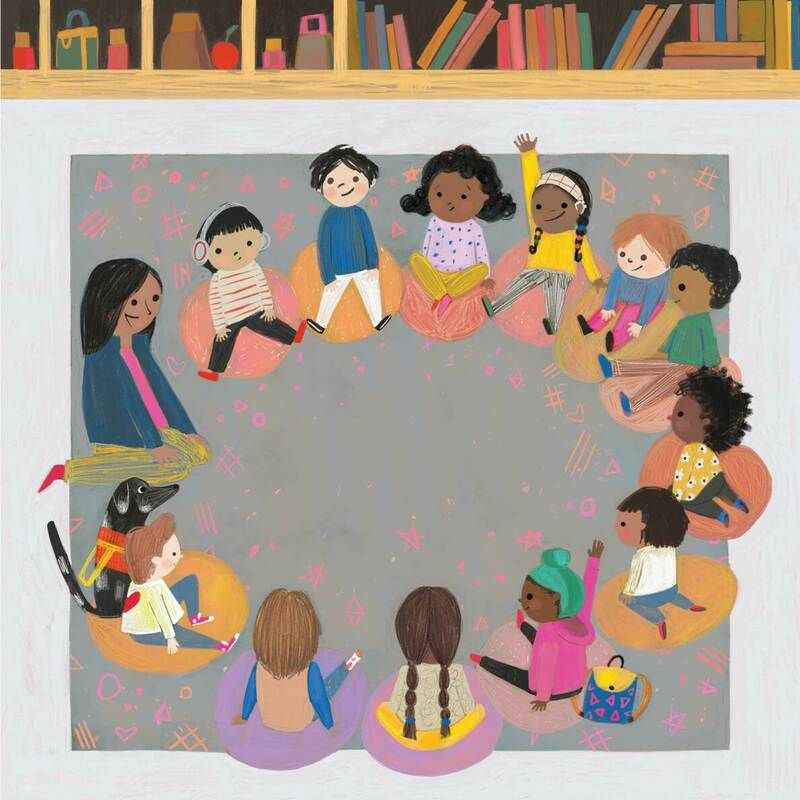
While we welcome the holistic perspective of education the EU has adopted throughout the European Education Area, as well as the spaces created for good practices exchanges at the EU level, we believe more should be done towards the national implementation of the European Education Area. Indeed, Education remains threatened by budget cuts, depending on EU political agendas and the ongoing geopolitical context. More should be done to promote education as the backbone of all EU objectives, in the long-term and across sectors. Additionally, children’s concrete participation in the implementation of the EEA remains scarce, both at EU and national levels, with children retaining the position of beneficiaries (of EU policies, actions, projects, research and activities) rather than contributors. This represents a lost learning opportunity for children and may cause incoherences in EU policies, falling from asking children’s perceptions and needs to the concerned population.

More publications

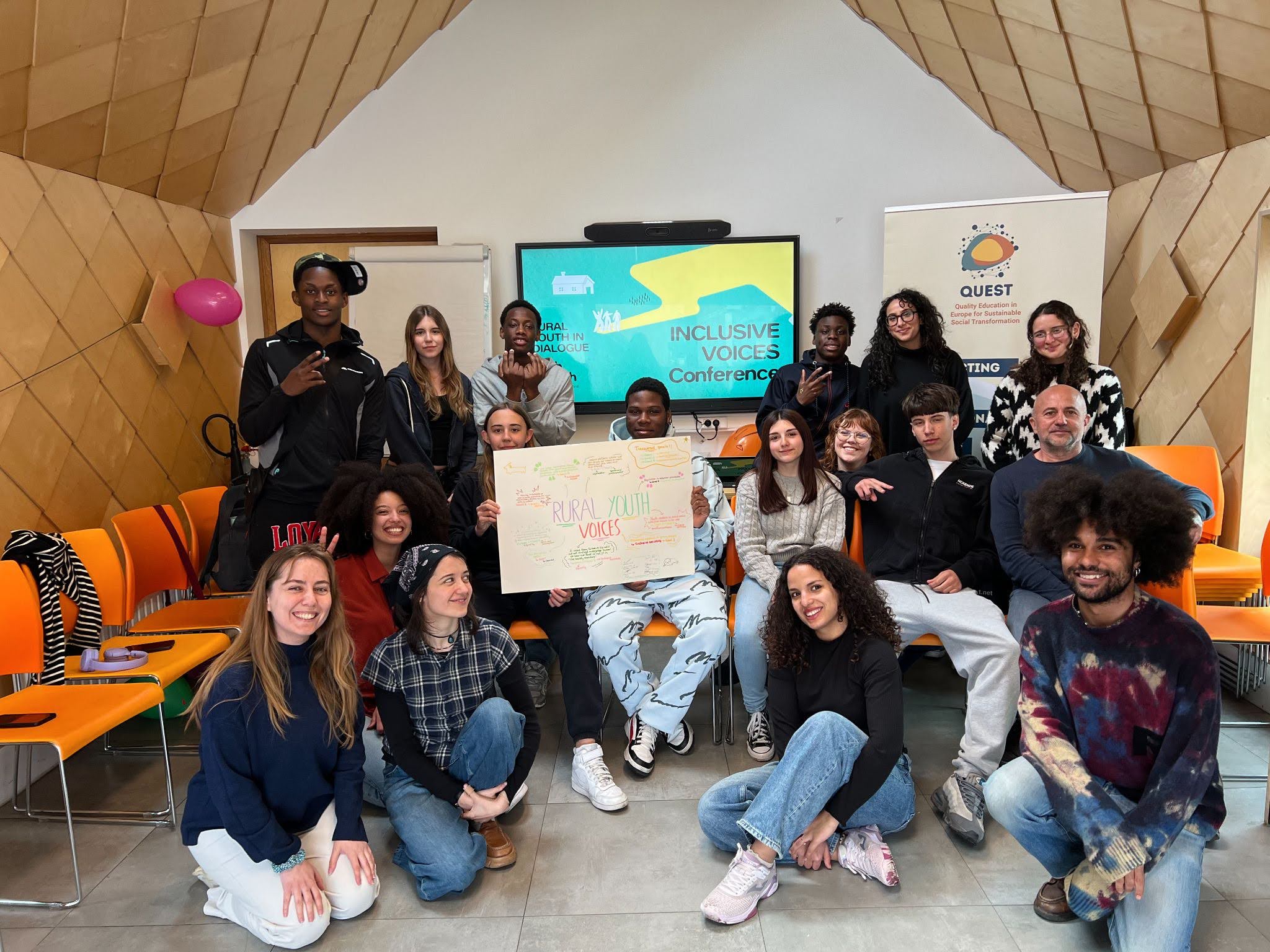
The Change We Want: A Manifesto by Rural Young People in Europe

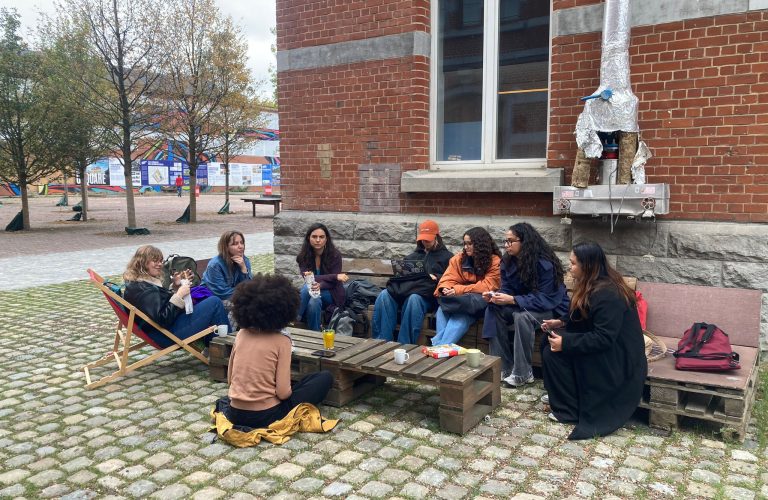
At QUEST, we believe young people don’t need adults to translate what they want to say. Too often, they are tokenised, routinely consulted to check a box, yet shut out from meaningful decision-making on the very issues that shape their lives. They need real space to say it, and real doors opened to the people who can act on it. Giving rural youth the room to define their own demands, in their own words and their own format, and then walking those demands into institutions like the EESC and the Committee of the Regions, is exactly the kind of empowerment we exist to make possible.

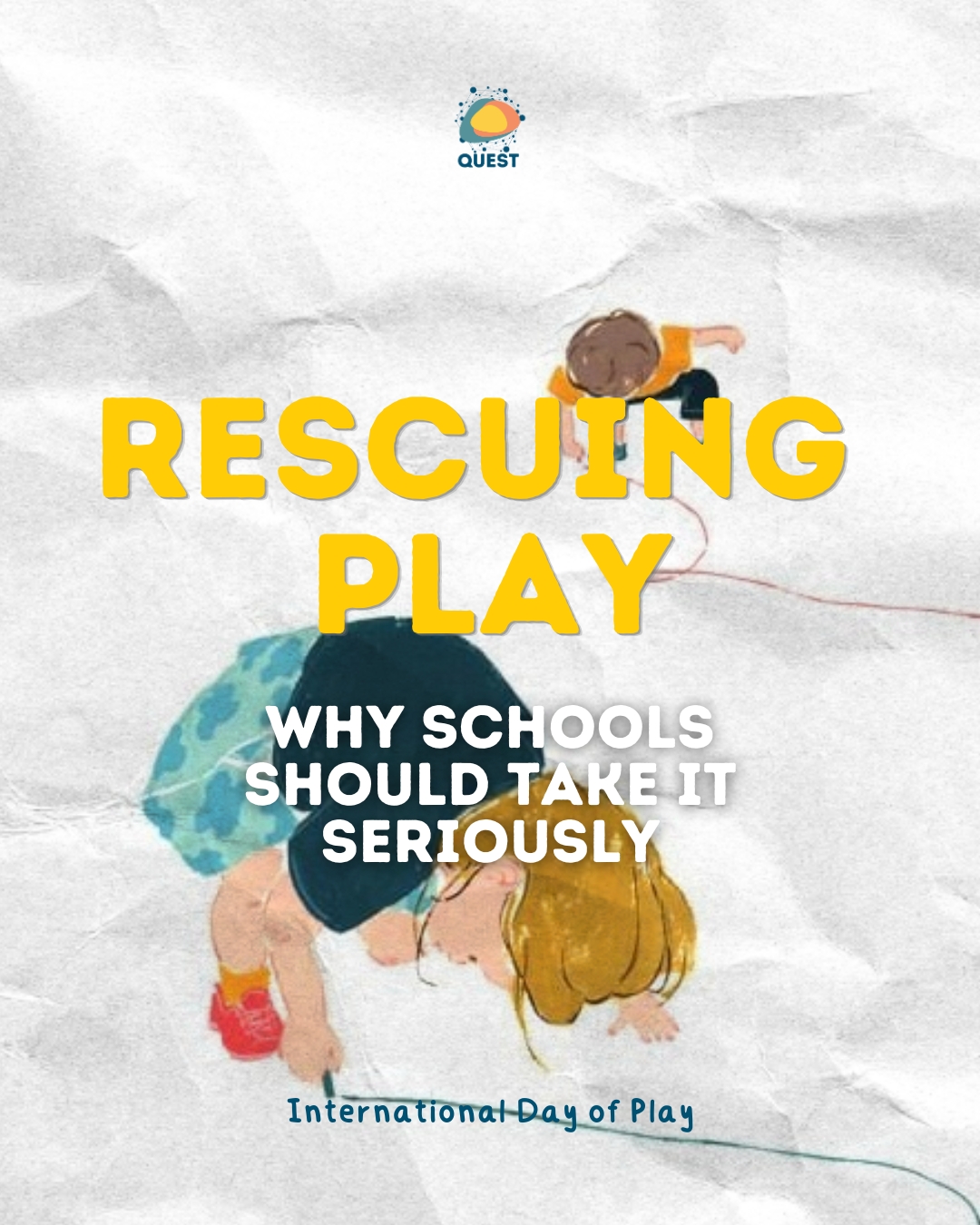
Rescuing play: why schools should take it seriously

Too often, for adults, teachers, risk-averse institutions and school systems, play appears as something problematic: risky, unproductive, difficult to manage and almost impossible to measure. The article challenges this view by pointing to the increasingly pernicious marginalisation of play and to the risks this represents for children and for society more broadly.

Joint Statement: A Roadmap for Every Child

The next European Union (EU) long-term budget has the potential to invest in all children, everywhere.

Cala Wioska School

Cala Wioska School

Biography coming soon.

Creating a Safe, Inclusive and Supportive Classroom

Sehlim Charles

Biography coming soon.

Young Children’s Voices in Educational Decision-Making: Power and Participation in Disadvantaged Preschool Classrooms

Duygu Yalman Polatlar

Duygu Yalman Polatlar is an Assistant Professor at Fatih Sultan Mehmet Vakıf University, Türkiye. Her research focuses on early childhood education, children’s literature, children’s rights, and children’s participation.

Alperen Avcı

Alperen Avcı is a lecturer at Muş Alparslan University, Türkiye, and a PhD candidate in Preschool Education at Fatih Sultan Mehmet Vakıf University.

Rights-based Participation of Children with Special Educational Needs in Educational Decision-Making

Lenka Mazáková

Lenka Mazakova is a co-founder of the Slobodna skola. She specializes in inclusive educational practices for students with diverse needs and behavioural challenges in democratic school environments.

From Participation to Practice: How Evidence-Based Wellbeing and Equity-Focused Leadership Can Shift Power Towards Children’s Voices in Education

Geetika Goyal

Biography coming soon.

Jayne Carter

Biography coming soon.

Reimagining Educational Research Through Children’s Participation: Insights from Transdisciplinary and Participatory Approaches

Sarah Zerika

Sarah Zerika holds a PhD in Educational Sciences and is a Substitute Research and Teaching Fellow at the University of Geneva’s Centre for Children’s Rights Studies. Her research focuses on children’s rights and participation in education, school climate, transdisciplinary approaches, and the ethics of research involving children.

Johanna Zelck

Johanna Zelck is a research and teaching assistant at the Martin-Luther-University Halle-Wittenberg. Her doctoral research focuses on children’s interpretation and negotiations of the generational order and adultism.

Maude Louviot

Biography coming soon.

From Consultation to Co-Creation: Child Leadership in Practice in Bosnia & Herzegovina and Serbia

Nejira Pasic

Nejira Pašić is the Children’s Rights Project Lead for Southeast Europe at the Global Campus of Human Rights, where she leads children’s rights mainstreaming and programming, including the Child Leadership Team and Youth Advisory Group. She is also a Lecturer at the Sarajevo School of Science and Technology, teaching research methods, public policy and human rights.