
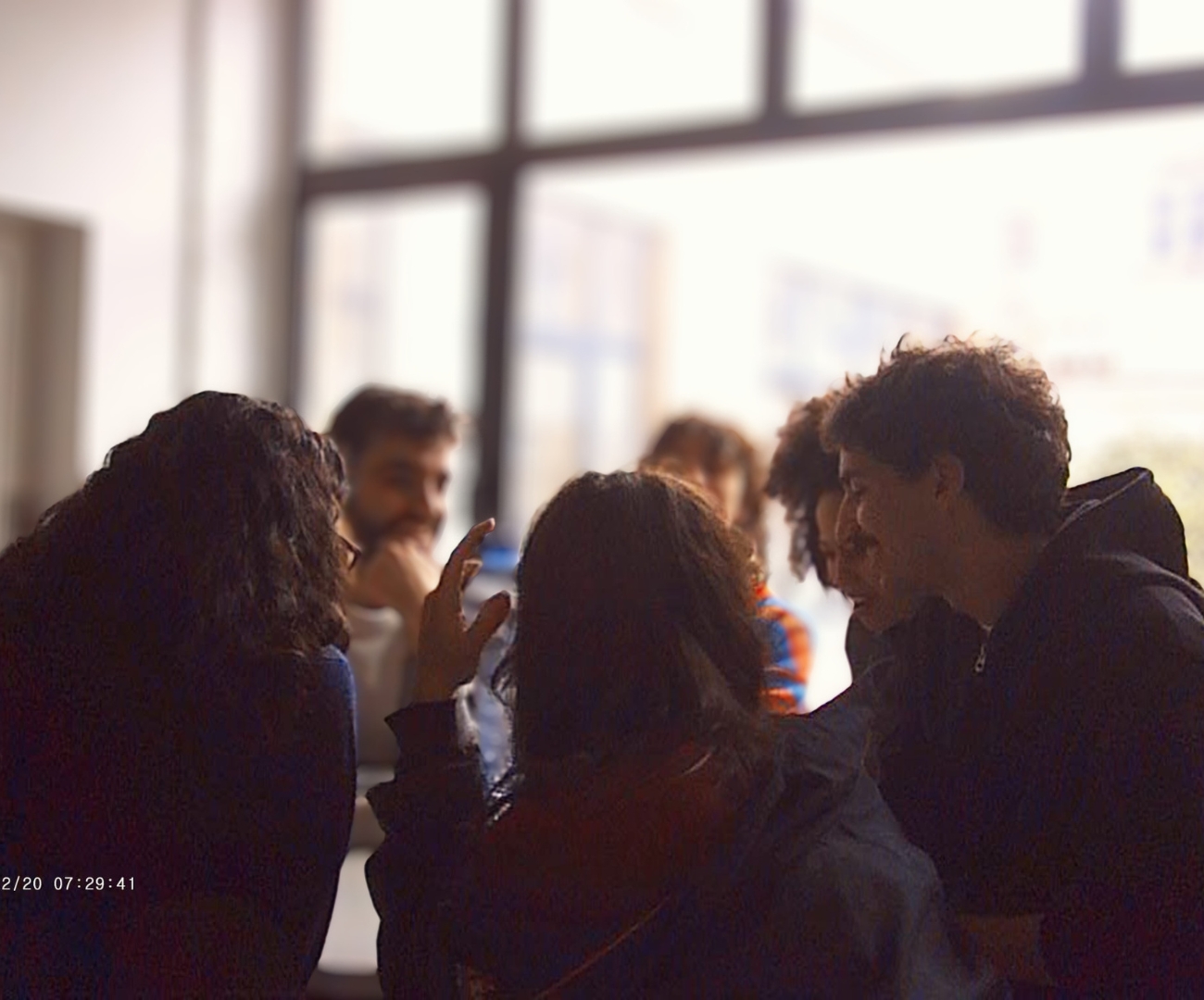

On the 15th and 16th of September, NGOs, decision-makers and civil society representatives met to prepare the Sustainable Development Goals Summit (SDG Summit). An opportunity to discuss the progress made, the limits encountered and the next steps towards a more peaceful, fair and sustainable society in 2030.
Voicing is not enough : asking for meaningful participation
At the SDG weekend, two words kept coming back : “meaningful participation.” In New York, the side-events were filled with youth demanding a space at the decision table, but not a token one. One after the other, youth activists started to share their experiences in voicing their concerns, yet seeing the decisions being taken for them rather than with them. Today, they ask for actual genuine intergenerational partnerships between decision makers and youth in co-leading and co-implementing actions towards achieving the SDGs. This is how, as the youth activist Sofia Scalatt announced, you can “create sustainable environments (…), whenever you hand over the power, not just the mike to people.”
Out of 8 billion people, half are under 30 years of age. Yet, while this population could be mobilized towards the transformation of our societies, it remains on the sidelines. This is the message Mayada Adi, Young leader for the Sustainable Goals, addressed to the member states’ representatives at the SDG Summit, in a single question : “What have you done to include the young people in the decision making space?”. Mujeeb Khan, from the UN Major Group for Children and Youth, stated this demand clearly :”As young people we want a UN system that is agile, inclusive and able to respond to the global challenges we face.”
Youth internationally face challenges, which need to be heard and addressed. Worldwide, one out of five young people are not in education, employment nor training, and 68 million young people are looking for jobs. Without a meaningful participation and consideration of young people’s needs, the implementation of SDGs, including SDG 4 “Ensure inclusive and equitable quality education and promote lifelong learning opportunities for all”, will be incomplete. This solution’s relevance increases when considering the current state of the sustainable development goals : out of the 140 targets solely 15% remain on track, while 50% are off track and 30% have either regressed or stalled.
If these limits in youth participation happen at the international level, they also apply at the EU level. At the SDG summit, European Commission’s President, Ursula von der Leyen deplored: “My generation was raised with the idea that our children and grandchildren will be better-off than us”. We can still make this vision happen, but not without the youth, that is for certain.
An inclusive meaningful participation
Persons with disabilities, including youth with disabilities, also voiced the need for meaningful participation. While progress has been made since the first inclusion of persons with disabilities within an international framework – more precisely the Sustainable Development Goals framework – these efforts are not enough. Indeed, the Covid-19 pandemic has outlined the lack of preparedness of our systems towards ensuring adapted responses for persons with disabilities within crises. It is therefore crucial to update these systems in order to prevent future inequalities from arising.
As Gopal Mitra, Global Lead Disability and Development at UNICEF, announced : “Billions of dollars that are being spent now have to be spent in a more inclusive manner. Billions of dollars that are being spent on physical and digital infrastructure cannot build new barriers. There are enough of them for persons with disabilities.”
As SDG 4 states it, we need to work towards an “inclusive quality equitable lifelong education”, a goal that will remain limited without the full meaningful and equitable participation of persons with disabilities. As Nayem Molla, Human Rights Activist at the International Disability Alliance puts it, “Nothing about us without us”.
A UN Youth Declaration on Human Rights
One initiative, in particular, was shared in response to these concerns. The creation of the UN Youth Declaration on Human Rights. This declaration will get its inspiration from the 2023 Declaration of Human Rights by American Youth, led by the UNA-USA Youth Observer to the UN. Commemorating the 75th anniversary of the Universal Declaration of Human Rights (UDHR), the 2023 Declaration of Human Rights by American Youth is being drafted by youth and will serve as a “guiding document for understanding and acting on youth priorities”. Although no additional information was given on a broader UN Youth Declaration on Human Rights, this announcement leaves space for hope regarding the greater implication of youth on the world stage.
Promoting Youth’s and Children’s participation : A case example
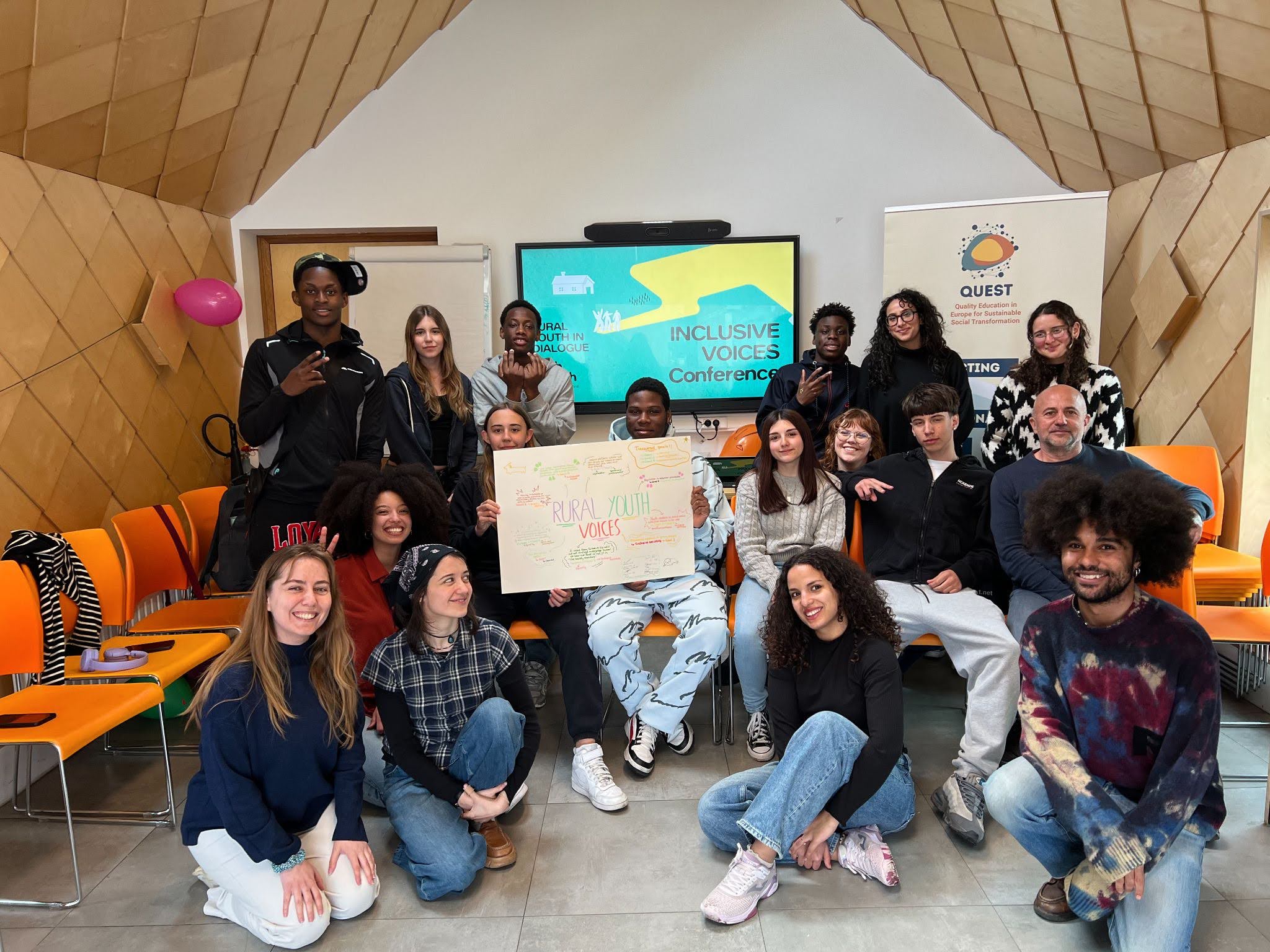
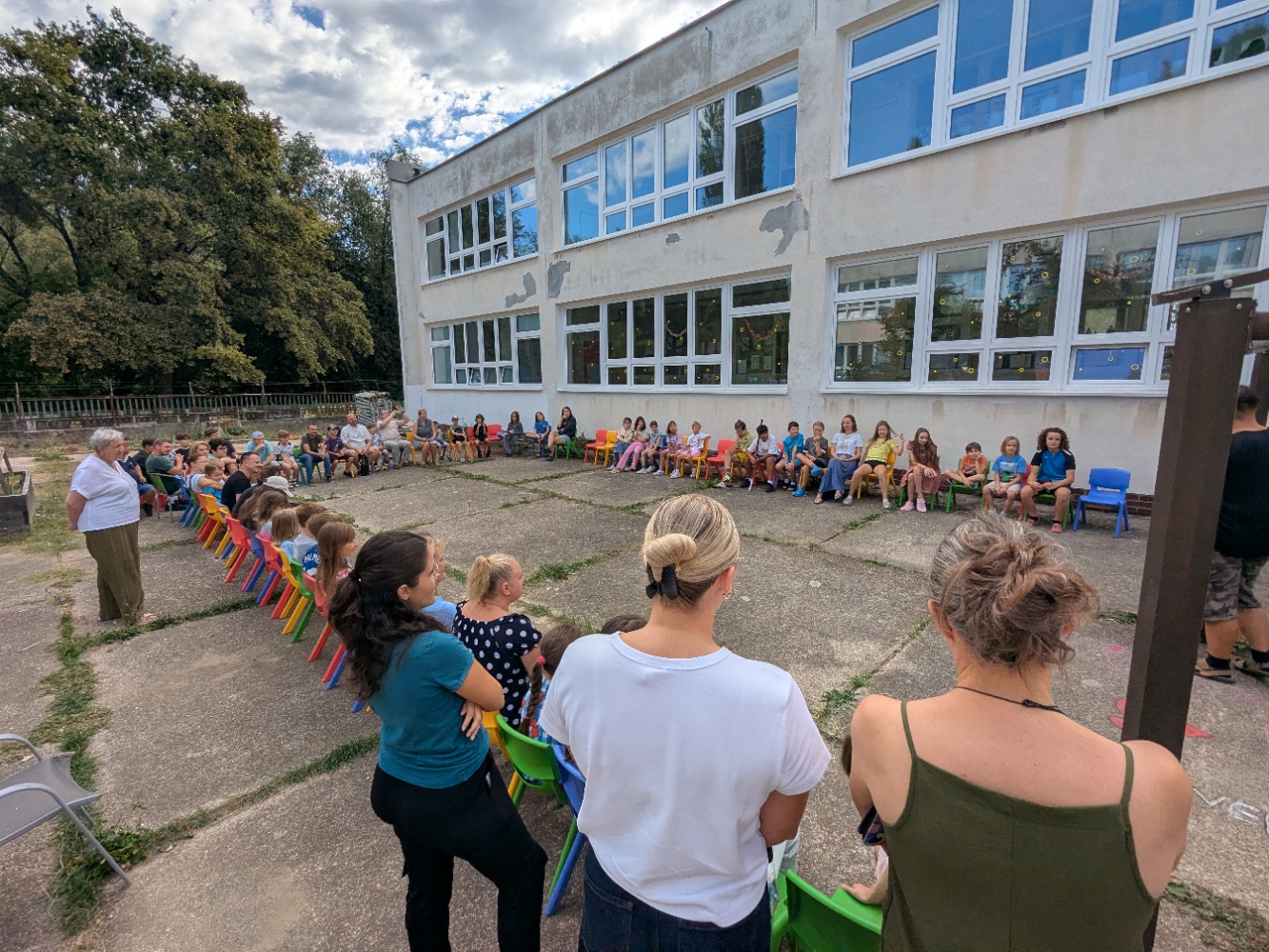
QUEST takes at heart to promote youth and children’s meaningful participation from early childhood. Through the dissemination of good practices and training meant to spread the use of democratic education, QUEST supports children and youth’s direct inclusion within the decision making processes of their school. Doing so, they develop the habit of voicing their concerns and needs while respecting others’, get acquainted with the processes of democratic vote, deepen their social engagement capacities and grow up with a feeling of belonging to a community of equals. Democratic education therefore allows them to embody the status of full-rights citizens, by expressing their right to responsible decision-making gradually as they grow up.