
Children, the new sustainable entrepreneurs
Today, recurring news about climate change, natural disasters, biodiversity loss or heightened pollution pose a real risk to the well-being of children as they face greater uncertainty towards their future. To answer this challenge, learners’ active participation in finding solutions can make a difference. Participation indeed develops a feeling of agency, essential to promote one’s trust in the future and resilience to unforeseen shocks. It also allows children to build strong life and innovation skills, while playing an active role in safeguarding the planet and their wider communities. This same skills’ acquisition will later guarantee an EU labour market fit for the green transition, its overall prosperity and competitiveness. Children’s active participation as green entrepreneurs is therefore essential, but it can only be achieved within open-school systems, through participatory learning such as sustainable entrepreneurship. Today, conventional ways of teaching, based on passive learning, fall short of providing these education opportunities.
The Outside Project
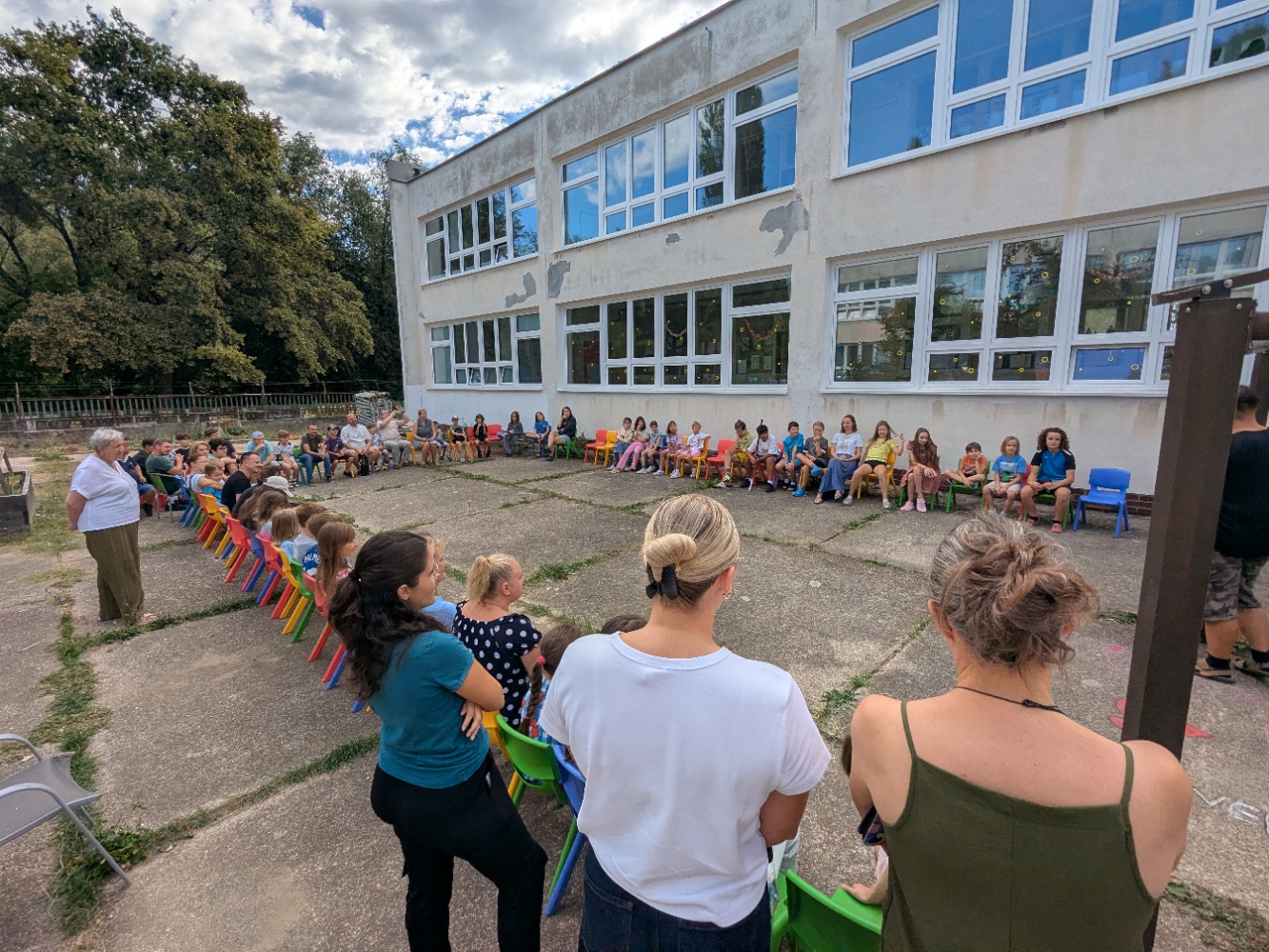
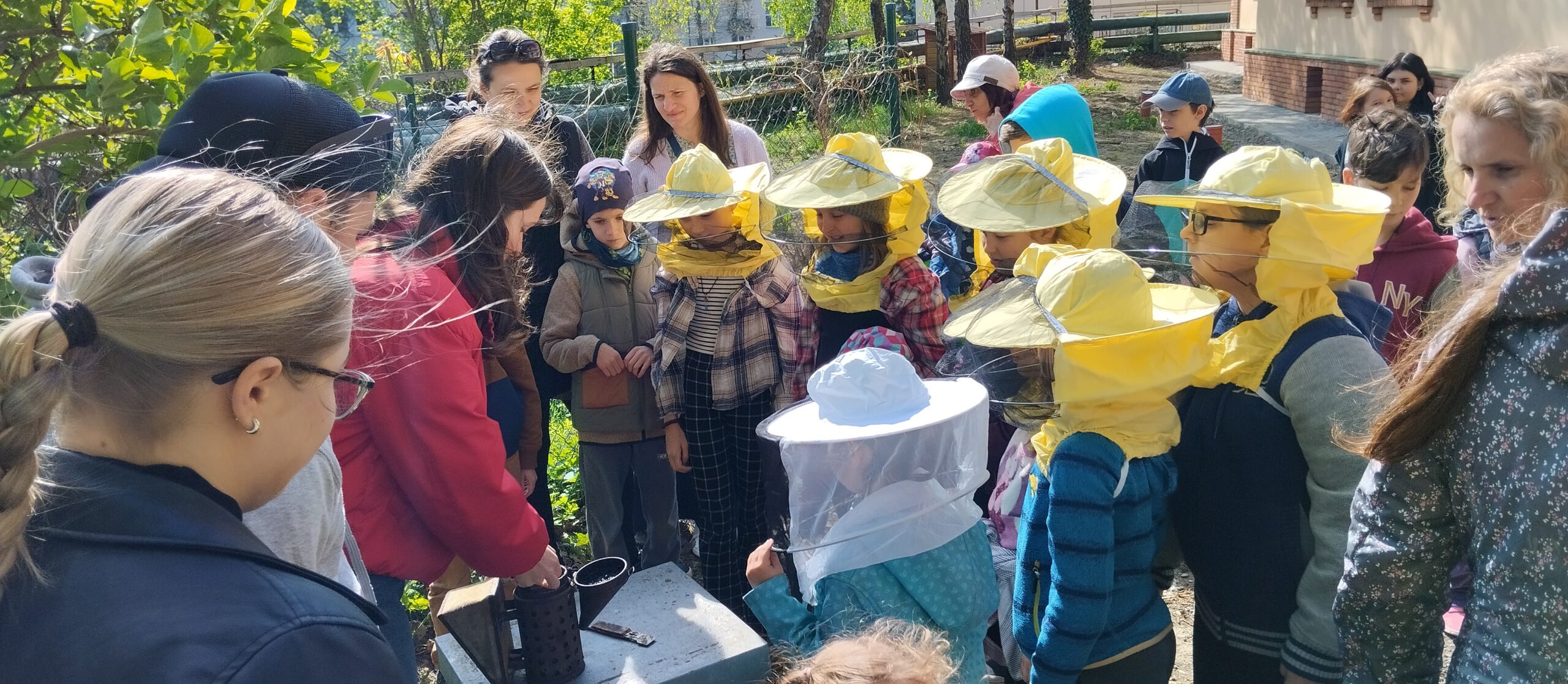
The Open Communities for Sustainable Development Project (2020-2023) aimed to fill this role, by empowering both students (aged 11-16) and teachers as change agents in their local communities.
To do so, it first researched education needs in four pilot countries (Italy, Belgium, Croatia, Lithuania) and developed a training toolkit for teachers, bridging the gap between outdoor learning, open-schooling, sustainable development and entrepreneurship education. An interactive platform and a collection of green business ideas also serve as inspiration tools for sustainable entrepreneurship.
Several lessons have been identified through this project:
1. Learners want more practical learning connected to real-life experiences
Students have a natural inclination to learn about environmental sustainability, both theoretically and practically. They are also keen to adopt the necessary skills to carry out independent sustainable business ideas, such as organisational skills, negotiation, ethical business, creativity, critical thinking and emotional self-control. A lack of awareness remains, however, in regards to the possible connections between sustainability and entrepreneurship. Children want to learn through practice and acquire fundamental knowledge for future job markets.
2. Additional efforts are needed to transversally integrate entrepreneurship, open-schooling, outdoor and sustainability education
While national education reforms have introduced these pedagogies, their integration within school curricula continues to be insufficient and limited to some EU countries. They remain the sporadic choice of individual teachers. Therefore, more support, training, funds and flexibility should be given to schools to promote innovative learning. Entrepreneurial education is still missing as a real component of the school curricula, and it is almost never linked to sustainability.
3. What we can do to promote entrepreneurship, open-schooling, outdoor and sustainability education :
- Guiding policies are not sufficient: clear integration of entrepreneurship, open-schooling, outdoor and sustainability education are needed within curriculums
- Awareness raising must be done around the benefits and the practicalities of these pedagogies to promote their use throughout the EU
- Publicly-funded training needs to be put at the disposal of teachers to:
– Reduce fears and stereotypes
– Prepare schools in implementing these pedagogies
– help teachers in communicating with parents and other stakeholders - Share the OUTSIDE project results, including the training kit for teachers
- Allow for more interdisciplinary and flexible curriculums for teachers to adopt innovative practices
- Initiate connections between schools, local authorities, the private sector, experts and local communities to find, with learners, solutions to local problems, and use them as education opportunities for children to develop practical and transversal skills
- Within curriculums, teacher trainings, learning activities and communications, create stronger connections between entrepreneurship skills and sustainability skills