Join our membership

Outside Joint Report

This report outlines the results emerging from the desk and field research in the four partner countries: Italy, Croatia, Belgium, Lithuania.
Before presenting a focus on each country’s result and a compared analysis from the four countries, the report briefly introduces what were the aims of the research and what has been the methodology put in place to investigate the state of the art in outdoor learning, environmental education and sustainable entrepreneurship.

The research has been indeed divided into two phases: desk research and field research. During the desk research phase partners were requested to fill in a questionnaire about the state of the art and the available resources in the field.
The second phase of the research described in this document presents the results from the field research where partners involved local stakeholders and students to investigate the current offer in sustainable entrepreneurship and the training needs.

The compared analysis of both desk research and field research is presented in this report and it constitutes the basis for the design of Training Modules and training Toolkit for teachers.

For more information, please reach out to Martina Paone: martina@quest-eu.org
More publications

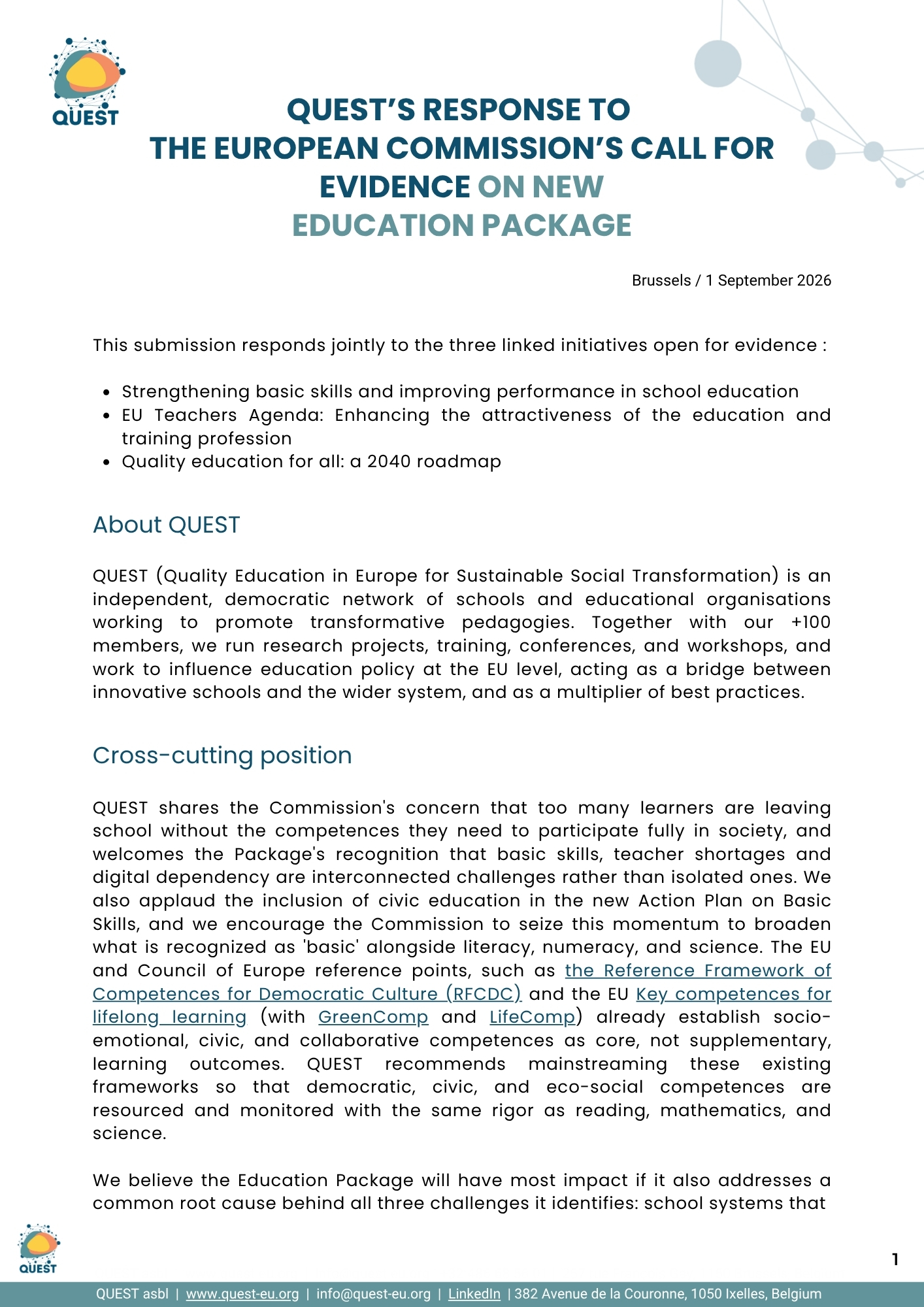
QUEST’S Response to the European Commission’s Call for Evidence on New Education Package

This submission responds jointly to the three linked initiatives open for evidence : - Strengthening basic skills and improving performance in school education - EU Teachers Agenda: Enhancing the attractiveness of the education and training profession - Quality education for all: a 2040 roadmap

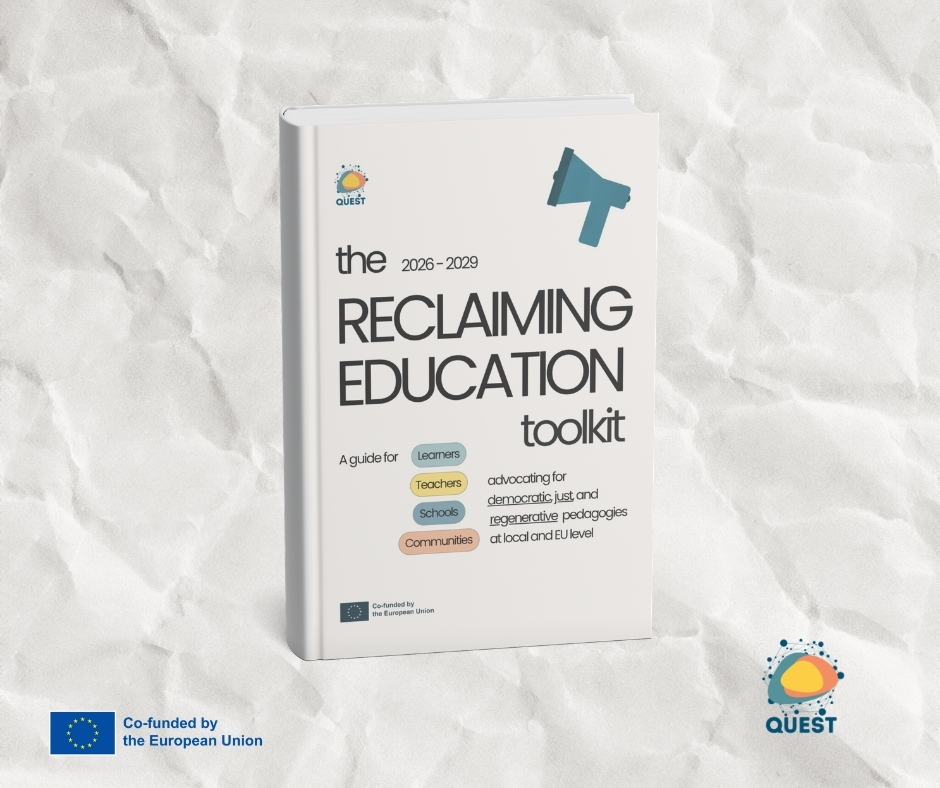
The Reclaiming Education Toolkit

This toolkit wants to demystify EU advocacy and help you navigate local and European decision-making, so that your school / organisation can raise their concerns and visions for education at different levels.

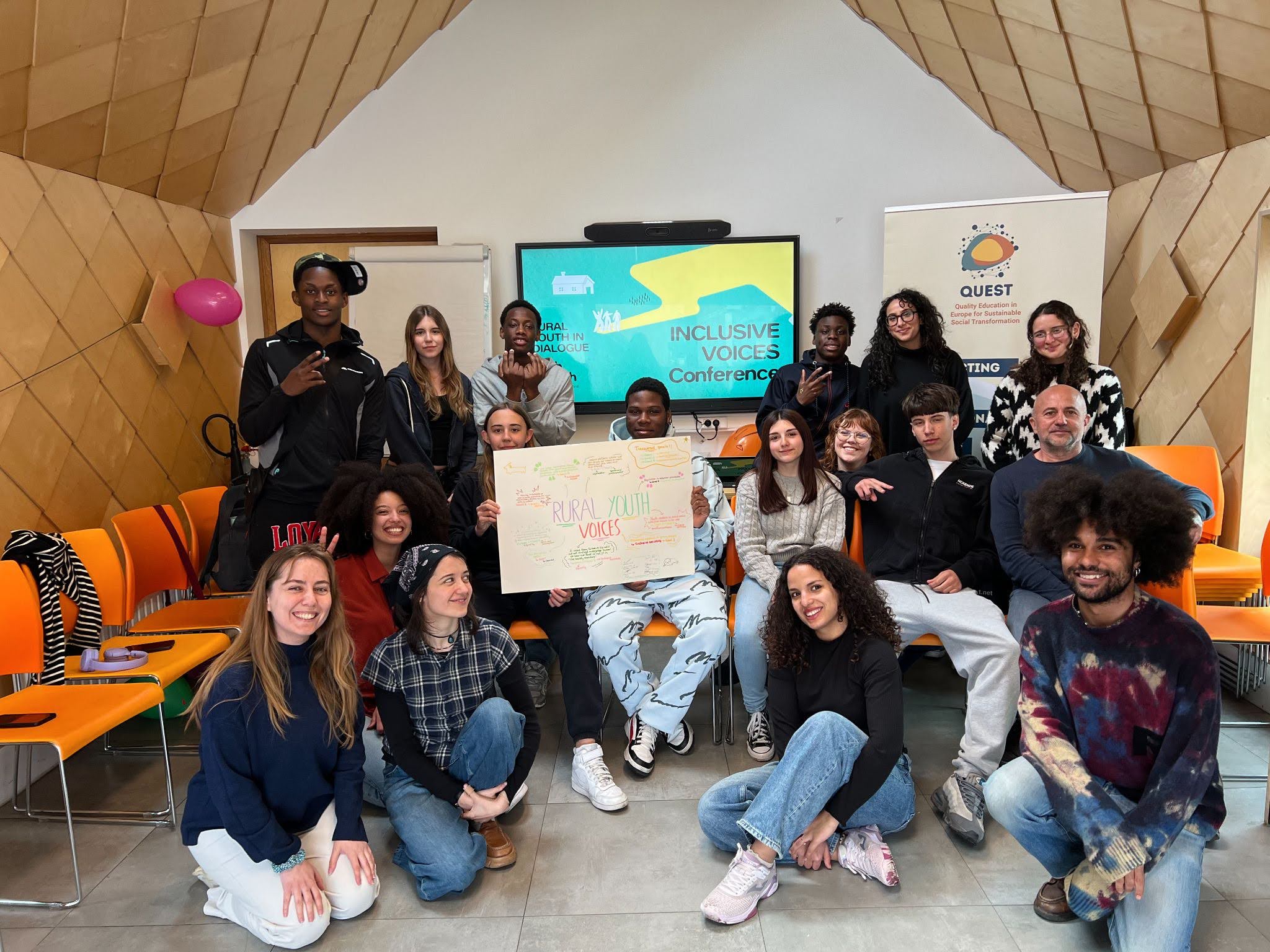
The Change We Want: A Manifesto by Rural Young People in Europe

At QUEST, we believe young people don’t need adults to translate what they want to say. Too often, they are tokenised, routinely consulted to check a box, yet shut out from meaningful decision-making on the very issues that shape their lives. They need real space to say it, and real doors opened to the people who can act on it. Giving rural youth the room to define their own demands, in their own words and their own format, and then walking those demands into institutions like the EESC and the Committee of the Regions, is exactly the kind of empowerment we exist to make possible.