The REGEN2 project (REthinking Gender roles in Education in Nature 2) builds on previous research findings on gender dynamics in nature-based schools for children aged 3-6.
This new phase focuses on children aged 6 to 12, a crucial socialisation phase, and proposes a comparative analysis with traditional schools.
objectives
REGEN 2’s general objective is to better understand and transform gender dynamics and interactions in education by exploring how different contexts and schooling approaches– nature-based and traditional–shape gender roles and social interactions among children aged 6 to 12 […] to foster more inclusive, equitable and sustainable learning environments.
This general objective is supported by the following specific objectives:
S01: Generate Research-based insights on Gender and Education (gather comprehensive data on how educational environments influence gender roles and interactions, to provide a nuanced understanding of the intersection between gender and nature-based learning…)
S02: Develop practical tools for educators to promote gender-inclusive learning (to support teachers as researchers of their own educational contexts
S03: Strengthening Advocacy for Gender-Inclusive Education (engaging European partners, educators, and policymakers to promote gender-inclusive education)
activities
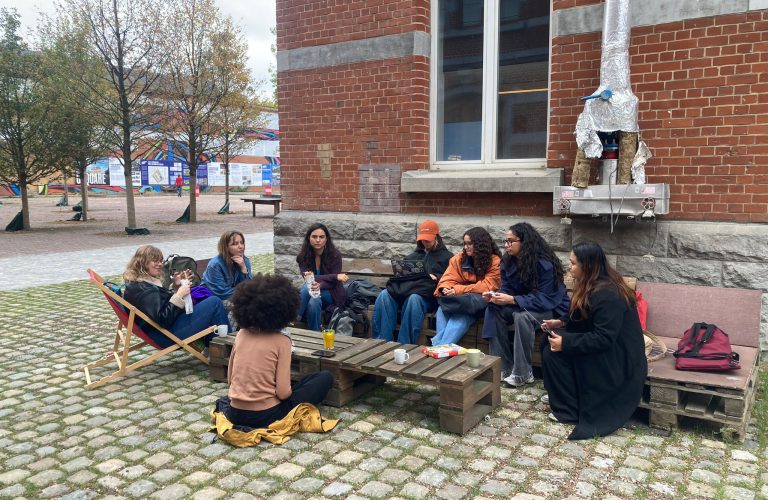
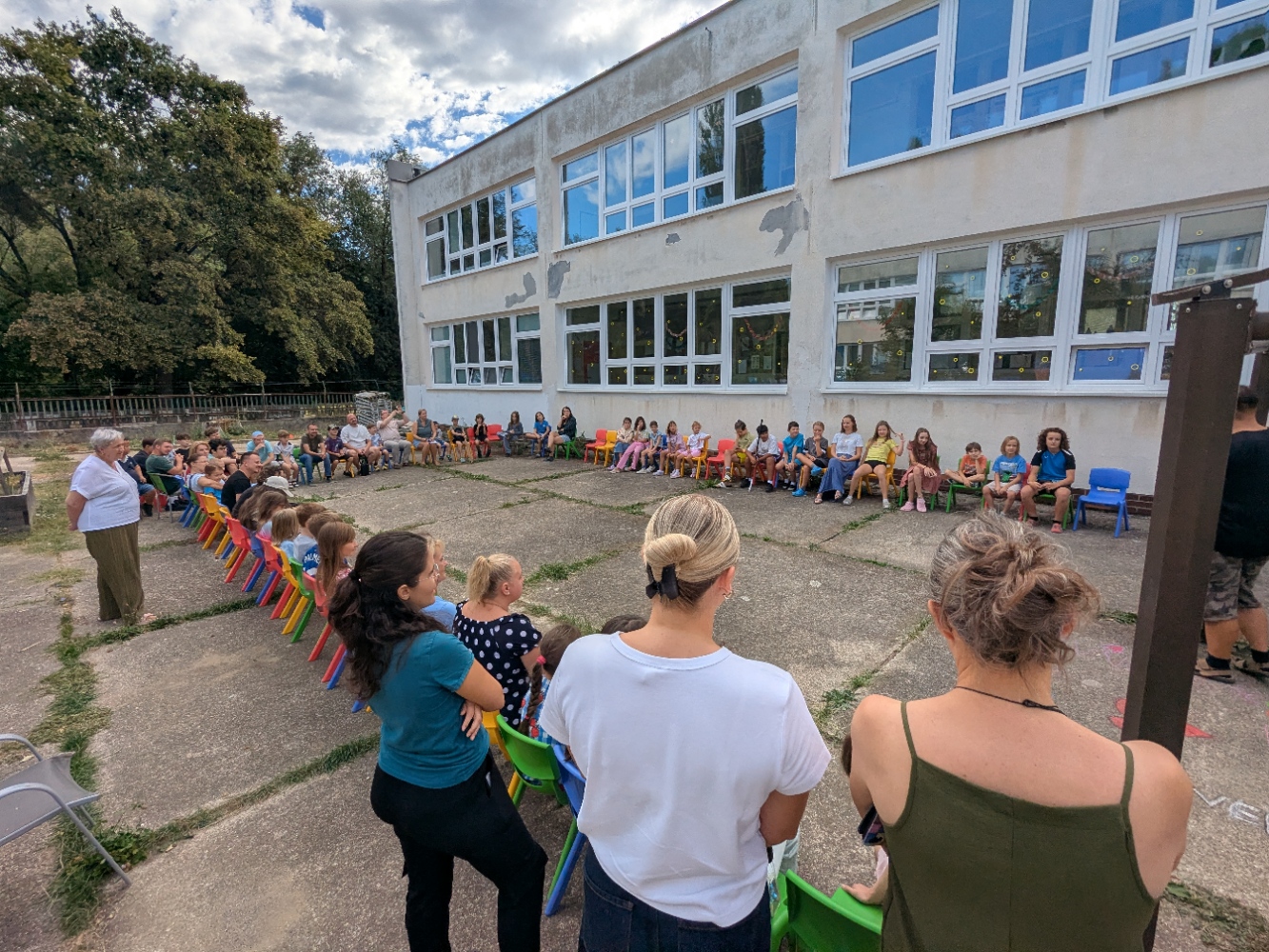
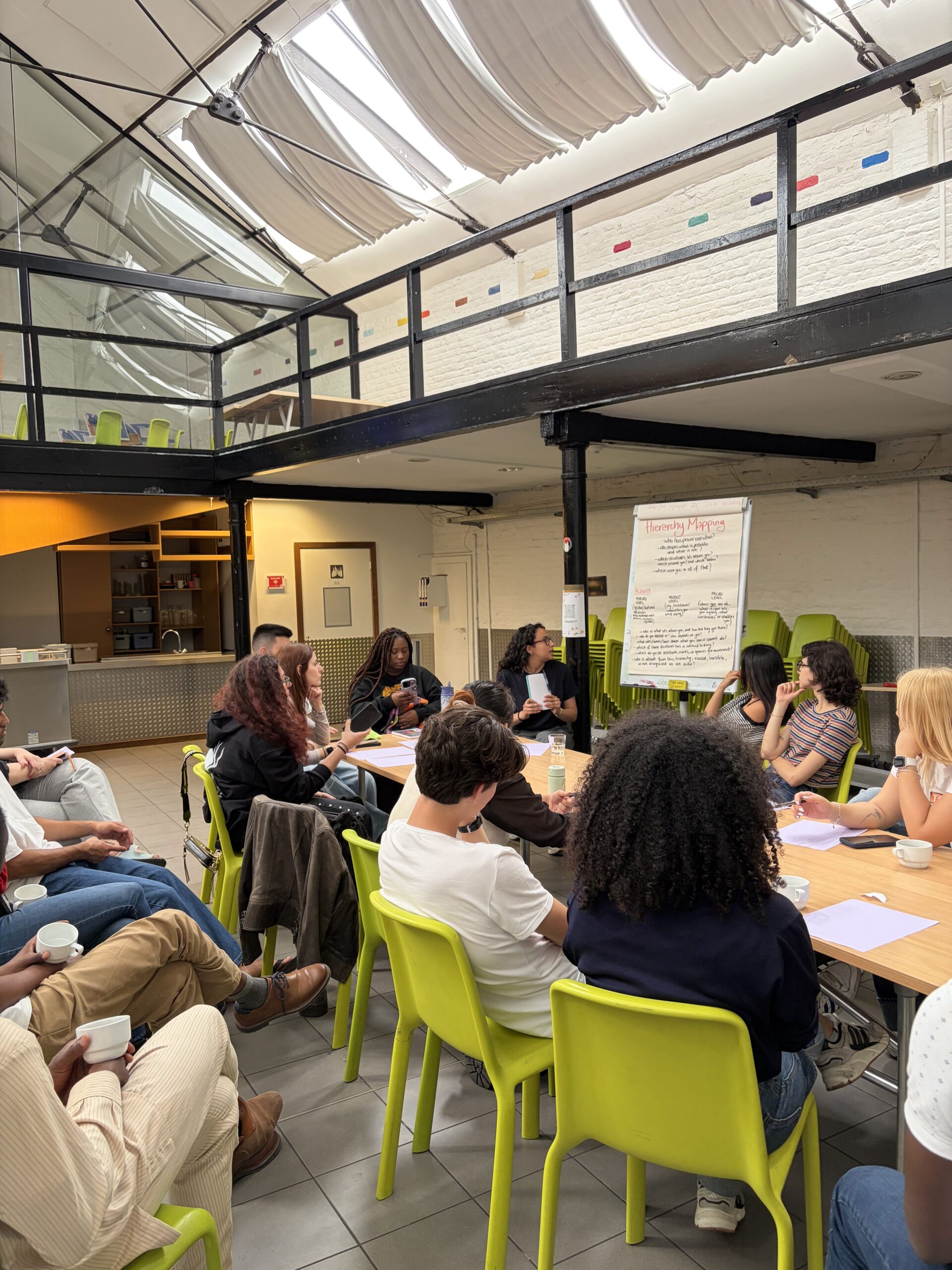
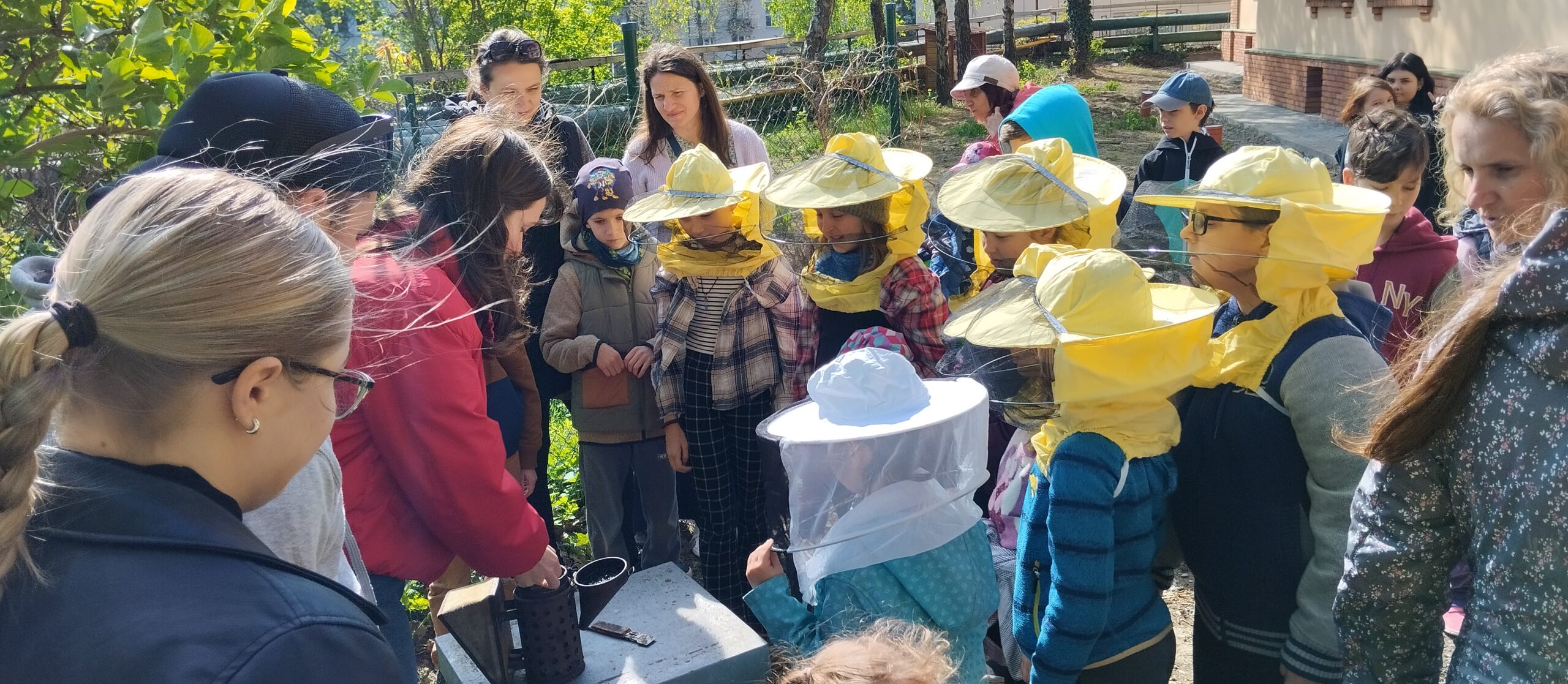
RESEARCH Participatory observation by educators in nature-based schools and urban playgrounds, surveys, focus-groups / interviews.
ACTION : co-creation of practical resources, including a digital app, a card deck for inclusive outdoor learning, and
a set of professional online training modules.
DISSEMINATION : including through a fanzine and a Final Conference.
The following tangible results will be created:
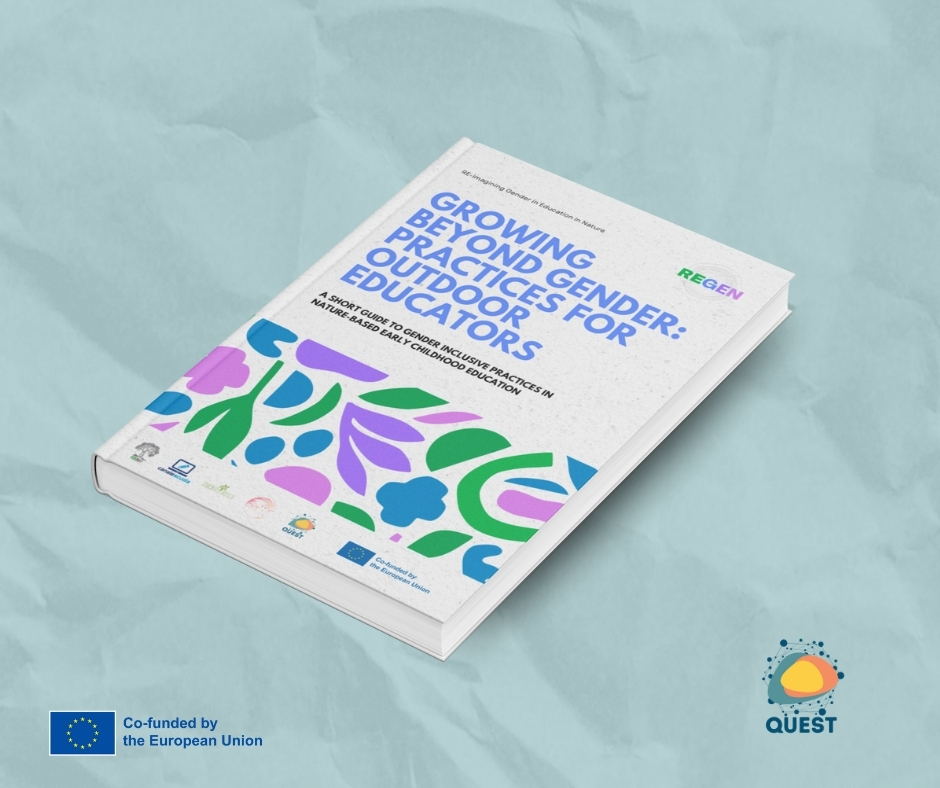
A fanzine on gender dynamics in forest schools
A digital app
A card deck for inclusive outdoor learning
A training platform.
A hybrid Final Conference to share results and policy recommendations widely,
including with decision-makers
duration
01/09/2025 – 31/08/2027 (24 months)
target groups
Children aged 6-12
Educators
Policymakers
call
This project is under the KA220-SCH – Cooperation partnerships in school education
contact
dominika@quest-eu.org
sarapatricia@quest-eu.org
partnerships
KWEEBUS (Belgium)
Edunat Cooperativa (Spain)
La navel nel bosco (Italy)
la maison rouge (Morocco)
QUEST (Belgium)
APS Icaro I Care (italy)
Funded by the European Union. Views and opinions expressed are however those of the author(s) only and do not necessarily reflect those of the European Union or the European Education and Culture Executive Agency (EACEA). Neither the European Union nor EACEA can be held responsible for them.