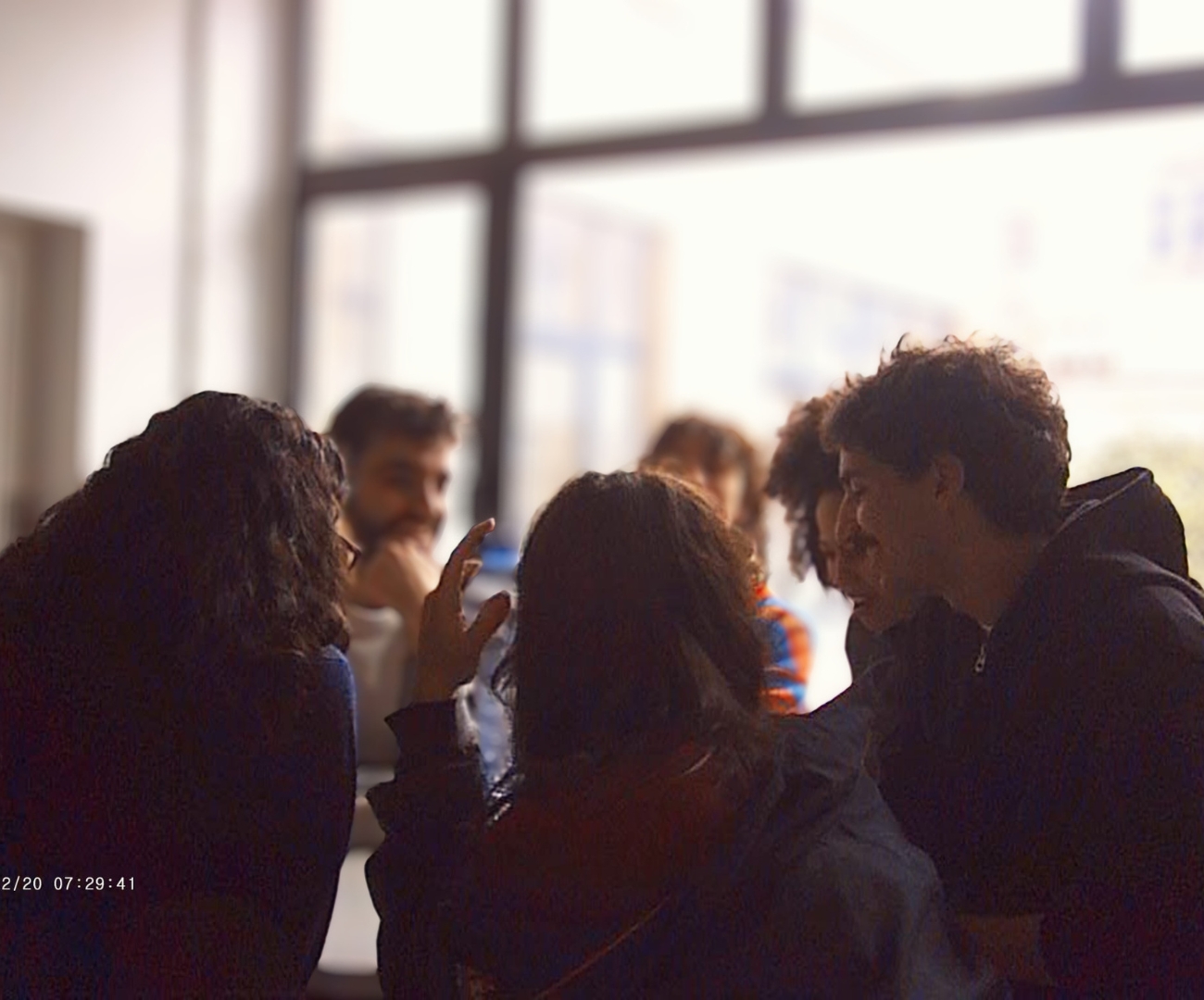
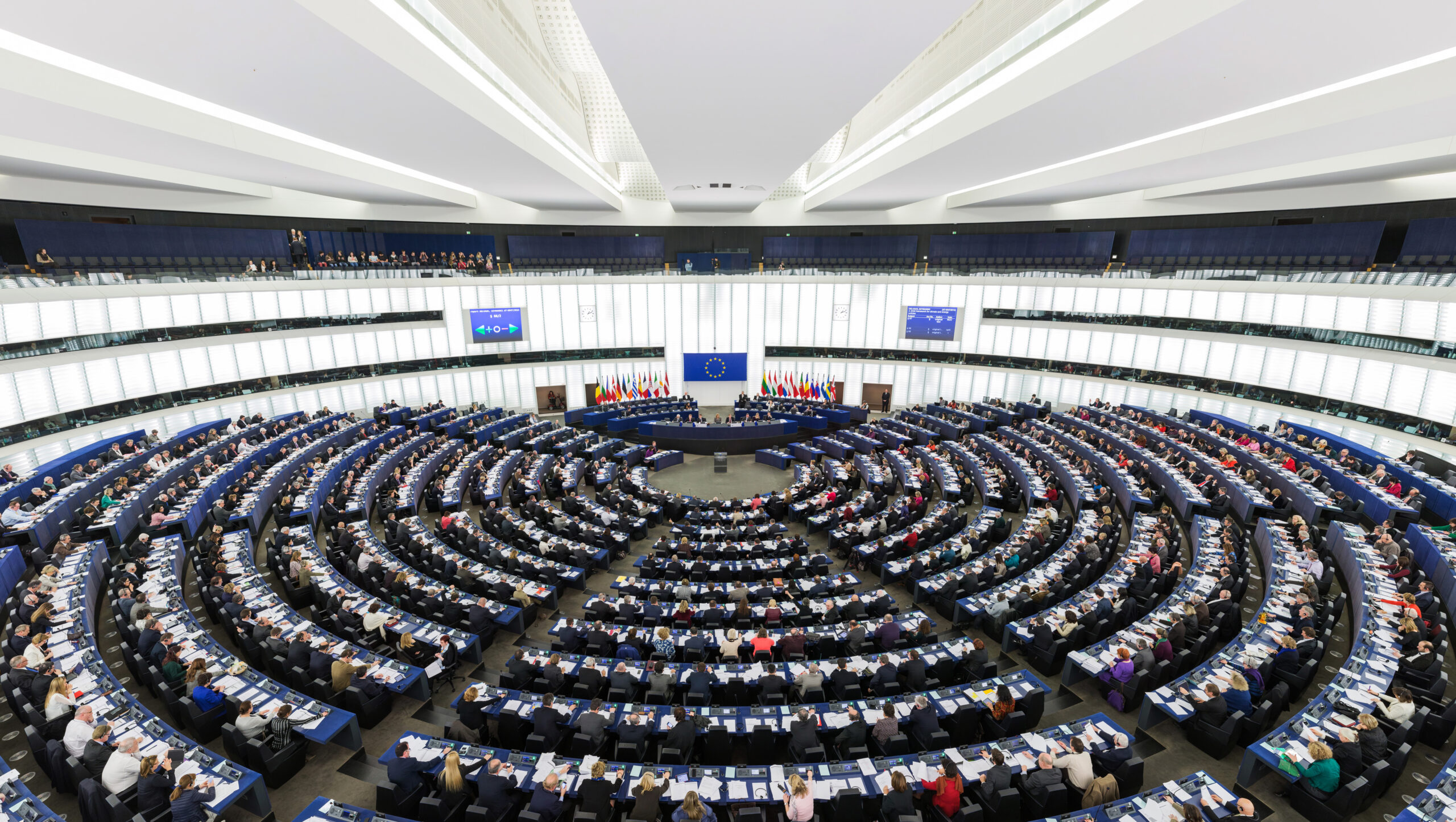
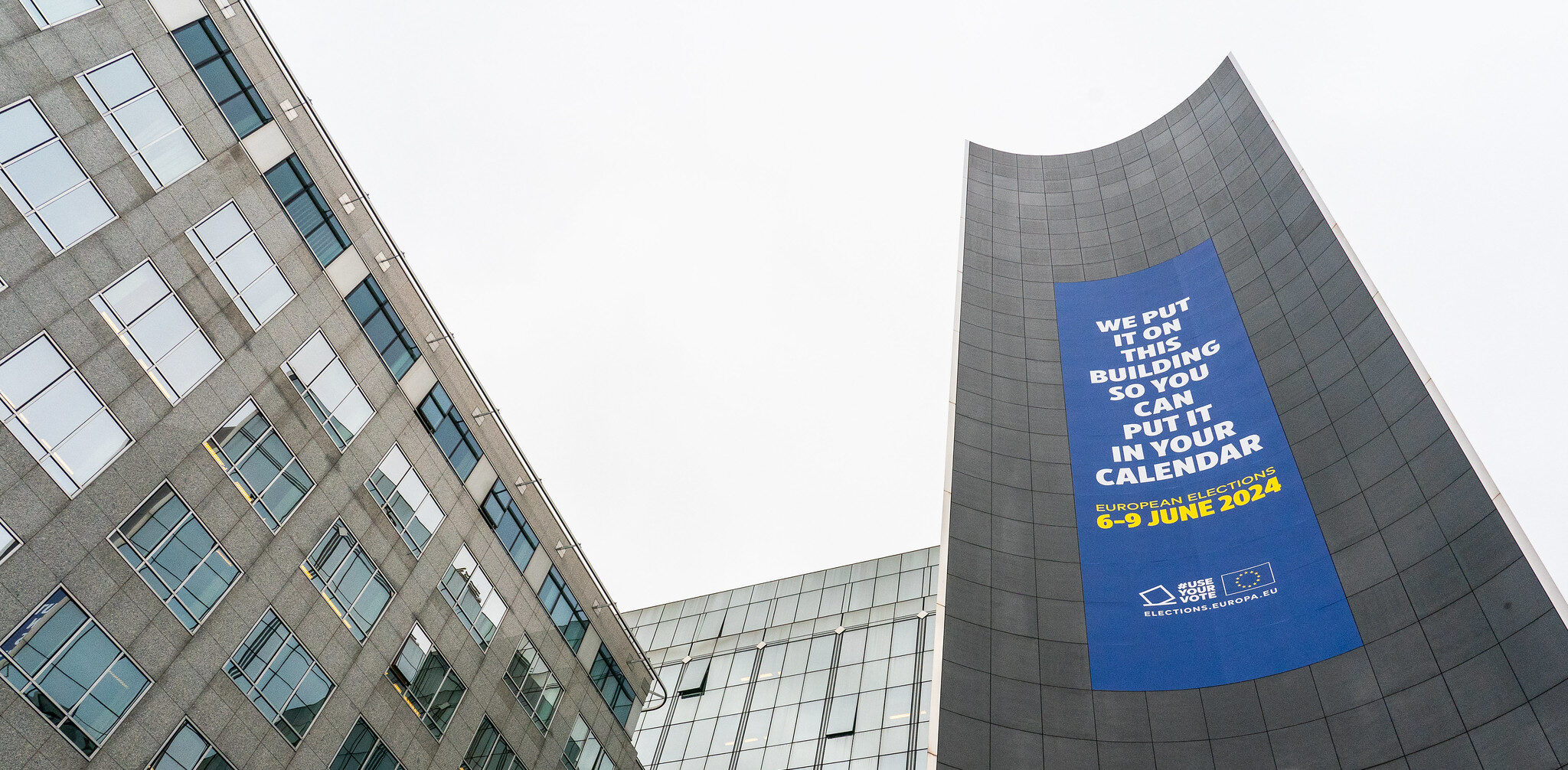
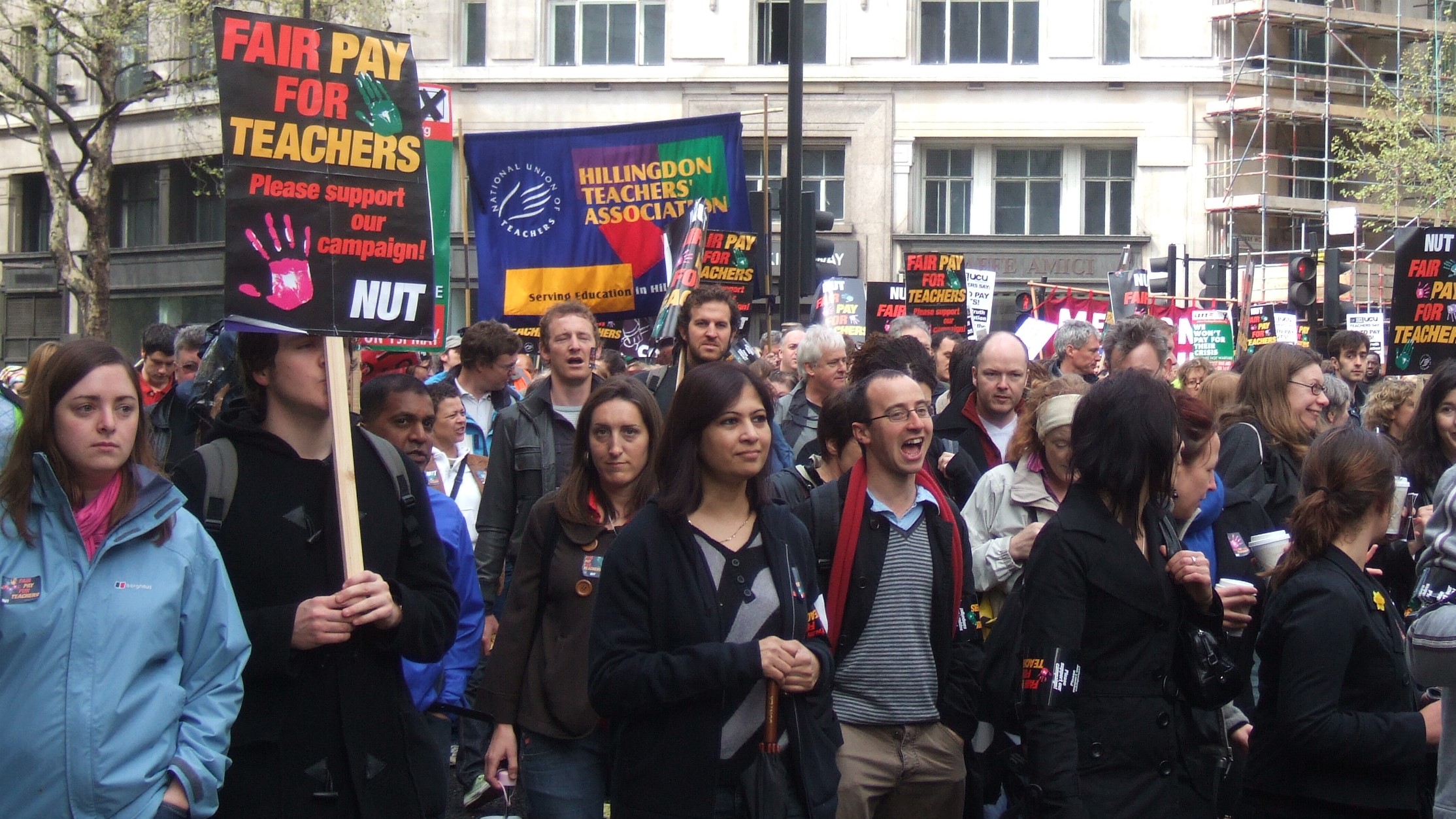
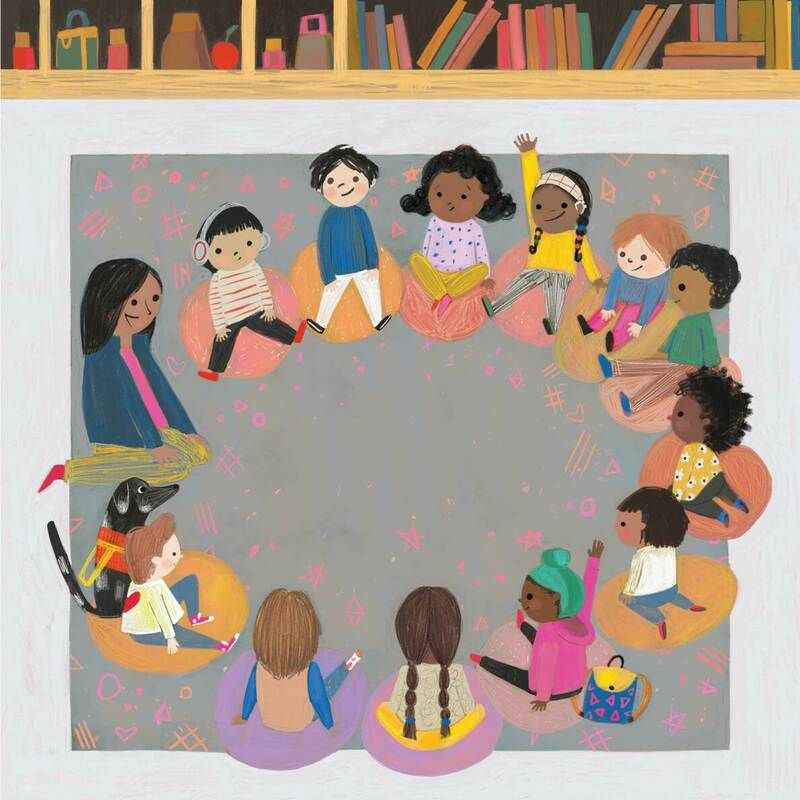
QUEST envisions an EU education landscape centred on children’s and youth rights. Schools would be at the service of social transformation, undertaking education with human-rights, social and environmental justice lenses, supporting the ones who need more care, and providing the development of the potential of everyone. Students would have a say and participate in matters affecting their own lives, benefitting from learner-centred learning pathways, prioritising their long-term well-being and skills acquisition. Children would make primary decisions about their learning experience, co-constructing the school context they grow in. Schools would be open, going beyond the classroom, taking place in a diversity of learning environments and in interaction with various social groups. Young people’s image as positive changemakers would lead them to collaborate on the research and identification of solutions to social and environmental problems. Teachers would embody a guidance role as “helper” rather than “instructor”, granting more autonomy to learners. This would renew connections between teachers and learners, and foster teachers’ overall well-being and job satisfaction.
Whom do we represent?
Children and young people’s voice on the European stage and beyond
Teachers and legal guardians seeking an empowering education for their children
A network of 90+ members spread within 32 EU countries and beyond working on cutting-edge education
Our Policy objectives
To reach this vision, the Policy & Research division leads different actions at the EU-level :
Promoting the well-being and rights of children, youth and educators relating to their education and future prospects
Contributing to the establishment of laws at national and European levels enhancing learners’ and educators’ rights
Denunciating human rights breaches linked to the broader education of children, youth and lifelong learning of teachers
Raising awarenessover children and youth’s right to self-determination, to learning in a safe and healthy environment, to build their futures and participate in society.
Our means of action
We pursue these objectives through:
Evidence-based research on young people’s participation in the EU, their overall well-being and learning pathways, but also on teachers’ well-being and needs.
Analysis of EU and national law on education, children’s rights and participation
Policy monitoring & feedback on EU legislative initiatives to be encouraged
Dialogue with decision-makers to promote young people’s participation in decision-making processes as well as healthy participative education pathways
Dissemination of education good practices at the EU level, to promote their transversal adoption across countries.
Our Advocacy approach
A Human-rights approach
Based on International Law
No political descent
An advocacy informed by its members’ priorities and expertise
collective action
QUEST takes part in different coalitions, alliances and initiatives to promote children’s rights and protection (Child Rights Action Group, Alliance for Investing in Children), children’s meaningful participation in decision making (Alliance for Investing in Youth) and consideration throughout EU-level education initiatives (Erasmus+ Coalition, Education for Climate Coalition).
For more information, please reach out to QUEST Policy Officers: Mathilda Diaz: mathilda@quest-eu.org
Creating a Safe, Inclusive and Supportive Classroom
Sehlim Charles
Biography coming soon.
Young Children’s Voices in Educational Decision-Making: Power and Participation in Disadvantaged Preschool Classrooms
Duygu Yalman Polatlar
Duygu Yalman Polatlar is an Assistant Professor at Fatih Sultan Mehmet Vakıf University, Türkiye. Her research focuses on early childhood education, children’s literature, children’s rights, and children’s participation.
Alperen Avcı
Alperen Avcı is a lecturer at Muş Alparslan University, Türkiye, and a PhD candidate in Preschool Education at Fatih Sultan Mehmet Vakıf University.
Rights-based Participation of Children with Special Educational Needs in Educational Decision-Making
Lenka Mazáková
Lenka Mazakova is a co-founder of the Slobodna skola. She specializes in inclusive educational practices for students with diverse needs and behavioural challenges in democratic school environments.
From Participation to Practice: How Evidence-Based Wellbeing and Equity-Focused Leadership Can Shift Power Towards Children’s Voices in Education
Geetika Goyal
Biography coming soon.
Jayne Carter
Biography coming soon.
Reimagining Educational Research Through Children’s Participation: Insights from Transdisciplinary and Participatory Approaches
Sarah Zerika
Sarah Zerika holds a PhD in Educational Sciences and is a Substitute Research and Teaching Fellow at the University of Geneva’s Centre for Children’s Rights Studies. Her research focuses on children’s rights and participation in education, school climate, transdisciplinary approaches, and the ethics of research involving children.
Johanna Zelck
Johanna Zelck is a research and teaching assistant at the Martin-Luther-University Halle-Wittenberg. Her doctoral research focuses on children’s interpretation and negotiations of the generational order and adultism.
Maude Louviot
Biography coming soon.
From Consultation to Co-Creation: Child Leadership in Practice in Bosnia & Herzegovina and Serbia
Nejira Pasic
Nejira Pašić is the Children’s Rights Project Lead for Southeast Europe at the Global Campus of Human Rights, where she leads children’s rights mainstreaming and programming, including the Child Leadership Team and Youth Advisory Group. She is also a Lecturer at the Sarajevo School of Science and Technology, teaching research methods, public policy and human rights.