
For a long time, teachers have been recognised as key actors in the overall development, well-being and learning of children. In recent years, worrying signs of job dissatisfaction, work overload and teacher shortages have been striking across the EU, and are expected to worsen. The EU has now recognised its importance and started taking action. But is the EU addressing every aspect of the problem?

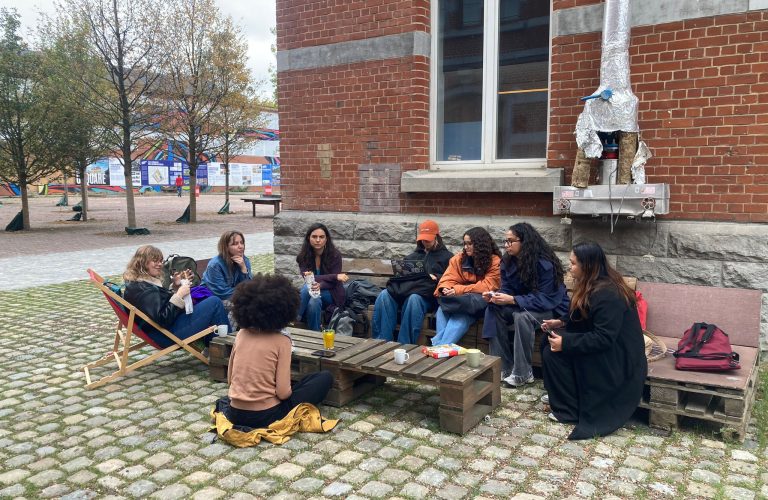
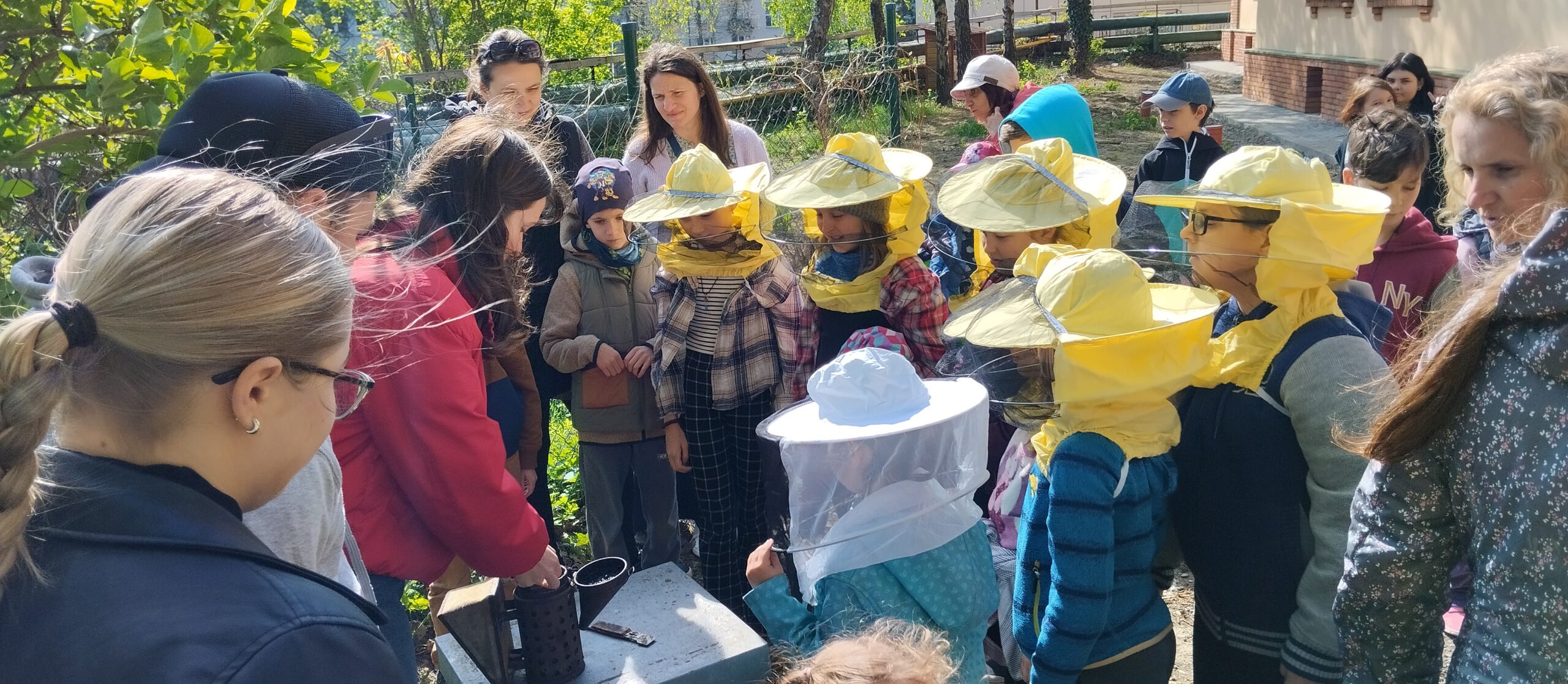
Teacher student collaboration – ClaudiaRxse – Source: Wikimedia
Teachers on the EU agenda
Despite earlier initiatives at the global level, such as the 1966 ILO-UNESCO Recommendation on the status of teachers, teachers have only found their way through the EU agenda rather recently. The Covid-19 pandemic seems to have triggered a new recognition of the role of teachers in ensuring the long-term sustainability of the EU, as shows the increased amount of legislation issued from 2019 on. The start of the European Education Area (EEA), in 2019 with a first resolution, a communication in 2020 and two council conclusions in 2021, anchored “the well-being of both pupils and teachers (…) at the core” of the European project. Previous council conclusions had already established the link between teachers’ well-being and the attractiveness of the teaching profession. In 2023, a new council resolution brought attention to teacher shortages and the importance of enhancing the teacher profession as a means to realising the EEA by 2025.
A list of EU initiatives have also been established over the past years, to revitalise the prestige of the teaching profession. A European Innovative Teaching Award was launched in 2021, as well as Erasmus+ Teacher academies fostering communities of practice and teacher mobility. Greater cooperation between EU and national stakeholders (inc. teachers, experts, elected representatives) was also proposed, through the establishment of an An EU working group on policies relevant to teachers and school leaders and guidance reports on Teacher and school leader careers.
For this 2024-2029 EU Mandate, The European Commission’s President proposed a new EU Teachers’ agenda “to help improve their working conditions, training and career prospects” as stated in her mission letter to Roxana Mînzatu, the new commissioner expected to work on education. While we regret the absence of teachers’ well-being in this mission letter, and its link with children’s rights, it is a step forward.
What’s missing in the EU?
The lack of training, supportive structures and recognition of the profession, the bureaucratic burden, the work overload, the gender disparity, the geographical distances from work and the size of the classes, all constitute strong factors for shortages and dissatisfaction. All that are recognised, and to some extent, increasingly addressed at the EU level.
But aren’t we missing a crucial aspect of well-being? Indeed, School cultures and interpersonal relations remain under-addressed at the EU level.
Research shows that relationships and feeling socially supported are the most essential factors of well-being and job-satisfaction. There is therefore a need to prioritise “positive relationships, promoting teamwork, and creating a supportive work environment” for teachers, as in any other sector. And whom are teachers most in contact with? Children. A strong relationship with students is not an easy objective to achieve. Yet it is made harder, when strict curricula and passive learning predominate in one’s national education and local school systems. Teachers can find themselves lacking meaning, when they view their innovative ideas to adapt the curriculum to the needs identified in their class, constrained. Additionally, passive learning imposes a hierarchy between learners and teachers, depriving teachers from adopting a cooperative approach to teaching, in which students and teachers could grow together through project-based exercises.
This aspect of teachers’ well-being is too often left aside. To be engaged, children need to participate in the decision-making affecting their learning. On the one hand, research indicates that it allows more knowledge retention and motivation, well-being and health outcomes for children. On the other hand, according to the OECD, children’s meaningful participation reinforces positive civic behaviours, helps children to claim their rights, creates a culture of respect, builds trust and transparency, and can bring better outcomes adapted to children’s needs. This is also true within a classroom, and can support teachers, by reducing their workload through meaningful child-driven learning. This can facilitate exchanges and create a feeling of belonging for both teachers and children, essential for the latter’s development and for the building of trustful relationships.
Additionally, more should be done to promote teachers’ well-being in regards to children’s rights. A fulfilled teacher, with the adequate resources, is also a teacher that would have greater energy, creativity and ambition to ensure that all of its students’ needs are accounted for. On the other hand, an overworked, tired, unhappy teacher is more likely to put in jeopardy, in most cases unconsciously, its students’ rights.
A tool to increase teachers’ well-being
Educational philosophies, such as Democratic Education can support teachers’ well-being. Democratic education views teachers and learners as part of a community of equals, where all individuals have the same decision-making power and engage in democratic community processes to define students’ learning pathways. It can first foster a strong sense of belonging for children to the classroom. With a clear space to voice their perspectives, learners can feel heard and develop trust towards their teachers, as they know that what they will learn, or the way they will learn it, will be informed by the needs they could previously share. Democratic education can also foster a culture of non-violent communication in the classroom, which would later facilitate conflict management and mediation needs from the teacher.
Moreover, democratic education can move teachers’ role away from super-attendance into mentoring. Through self-directed and project-based learning, children can develop soft skills such as agency, flexibility or creativity, in groups or alone, with their teacher being there as a supportive structure rather than an enforcing one. New healthy learning relations can thus emerge, with a new vision of teachers as a valuable resource towards their personal growth.
Additionally, Democratic Education allows the fulfilment of children’s fundamental right to have a say in every matter affecting their lives, as stated in the UN Convention on the Rights of the Child.
This educational philosophy can be implemented in any kind of learning context. To guide you step by step, QUEST has elaborated a set of 50 practices that can be implemented in public schools to foster new relationships between teachers and students, identified by public and private schools within the DESC Project.