
On this Social Justice Day, we stand committed to the values of sustainable, inclusive, and democratic education. An education free from discrimination and accessible to all. Yet, across the world, this fundamental right is under attack.
We are deeply concerned about the recent trends in the United States, where the Trump administration is deliberately eroding rights of racialised, LGBTQ+, and immigrant students: actions that threaten the very foundation of equitable education. Moreover, the environmental policies that accompany these changes exacerbate inequalities, as access to education and to a healthy living and learning environment is increasingly tied to political agendas.
We are extremely concerned about the devastating rippling effect of the US Presidency’s actions all around the world. The entanglement of education with regressive policies deepens inequalities, as access to quality and inclusive learning increasingly becomes a privilege rather than a right.
The US is not a stand-alone situation. If we look around the globe, the situation is alarming: in Afghanistan the Taliban’s regime has erased girls from classrooms, depriving an entire generation of their right to learn. Meanwhile, in Gaza the devastating war has led to the destruction of schools and restrictions on movement that make access to education a daily struggle.
And in Europe? The rise of the far right threatens educational freedom and social cohesion. In many regions, underfunded public education, growing privatization, and nationalist curricula serve to exclude rather than empower, leaving young people without the critical tools to shape their futures.
We refuse to accept an education system dictated by fear, exclusion, and economic interests.
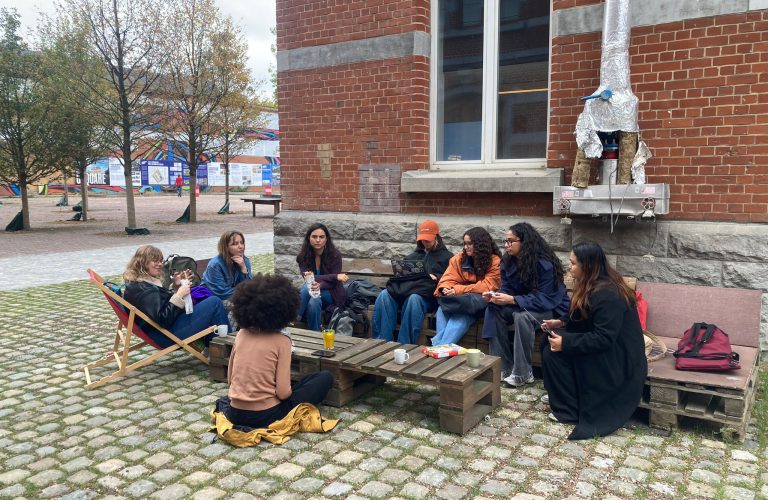
Instead, we will continue to find avenues for getting together and standing for children and young people’s right to a chosen future, not one they’ve been subjected to. For their right to an education that is geared towards socio-environmental justice, in which democratic principles are lived out and every person can actively participate in the decisions that affect their lives.