INTRODUCTION
In keeping with the principles of lifelong learning and the need for continuous professional growth in an ever-changing world, QUEST presents its guidelines for teachers working in democratic schools.
These guidelines are designed to support educators in their essential and often challenging role of nurturing democratic values through education, based on the two key pillars of self direction and community participation. In a context where democratic principles are increasingly under pressure and teachers may feel isolated or unsupported, QUEST offers practical tools, resources, and links to further materials that can help translate democratic pedagogy into daily practice.
Recognizing that being a teacher in a democratic school is a courageous and pioneering path, these guidelines aim to accompany teachers as they foster open, inclusive, and participatory learning environments.

1. Redefine Your Role as a Teacher
In democratic education, the teacher’s role shifts from authority figure to facilitator and co-inquirer. Rather than directing learning, teachers create the conditions for exploration, dialogue, and shared discovery. This redefined role involves offering guidance, modeling curiosity, and supporting students as they navigate their own questions and interests.
2.Support the Learning Process
A key element of democratic learning is fine-tuning the delicate balance between honoring students’ personal discovery and providing the inspiration—and gentle challenge—they need to step outside their comfort zone. Several pedagogical approaches support this balance, including Inquiry-Based Learning (IBL), Self-Directed Learning (SDL), and Youth Participatory Action Research (YPAR). These methodologies position students as active protagonists in their learning journeys, encouraging choice, responsibility, and meaningful agency
3.Work on the communication
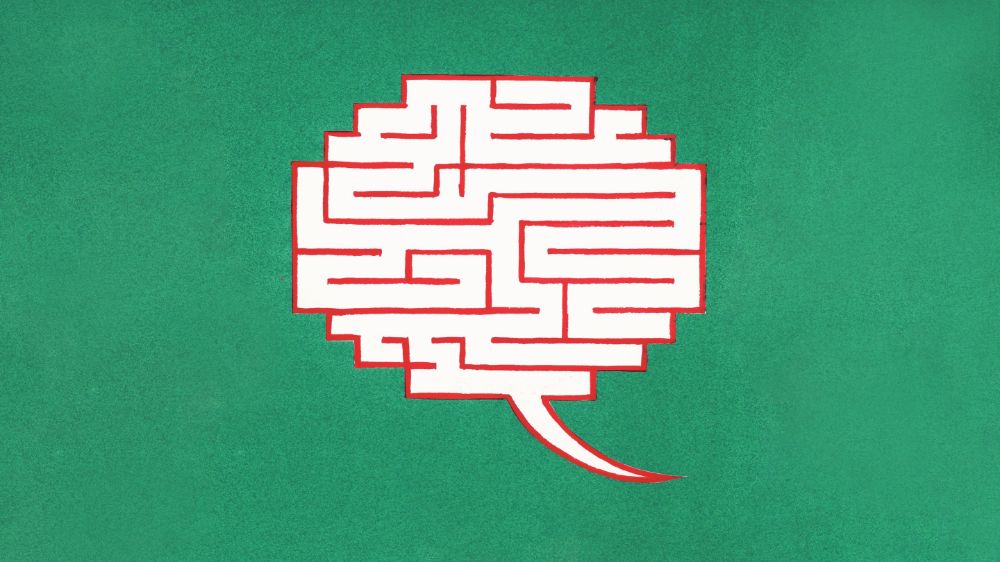
Communication is at the heart of democratic education. To create a classroom culture grounded in respect and understanding teachers need to develop skills in empathic, nonviolent communication. Furthermore, restorative justice is an approach that can be employed by educators to resolve conflicts and build learning environments where dialogue replaces confrontation, and conflicts become opportunities for learning and restoration.
4.Prioritize wellbeing and Relationships
Strong relationships and empathy are central to democratic classrooms. According to the EU educational initiative “Pathways to School Success” school and education can play a central role in promoting well being and mental health in the classroom and beyond. To support this, integrate Social & Emotional Learning (SEL) and model self-care helping students develop resilience and emotional awareness, while you maintain your own wellbeing as teachers. The creation of whole school policies grounded in knowledge about mental health issues in youth may further support teachers in democratic schools.
5. Ensure Inclusion and Equity in Education
There is no Democratic Education without inclusion of differences. Inclusive environments that value diversity and accommodate varied cultural, social, and learning needs assist every child to reach its full potential. For this to be achieved, you need to reflect on how your school’s governance may create barriers to students of different groups, due to costly activities or through discussions that overlook non-dominant groups’ experiences. At QUEST we recommend when talking and discussing about a topic, always consider a plurality of sources and viewpoints, trying to portray different perspectives, and in particular including those from marginalized groups and experiences. If you decide to organise a structured learning activity, you could check DECUS , which guides educators on how to decolonise a lesson plan.
6. Strengthen the School Community
Cultivating a sense of belonging in the school community is crucial to sustaining shared democratic values. Adopt daily rituals, collaborative games, and community events to foster connection and participation. Moreover, promote student leadership by engaging students in planning and leading assemblies, exhibitions, and service projects or by encouraging peer support through peer counseling to reinforce care and cooperation. Finally, collaborate with families to understand the long-term journey of democratic education and support them in extending its principles beyond the classroom.
7. Embrace Innovation and Digital Literacy
In a rapidly evolving digital world, teachers and schools should stay current with digital transformation, ensuring student’s rights and democratic values are respected. According to digital citizenship recommendations, modeling ethical, respectful and safe online behavior at school nurtures responsible digital citizens. Additionally, informing students about the risks of the digital world and supporting them to think critically by questioning and assessing online information credibility enhances their critical thinking. On the other hand, democratic schools benefit from embracing innovation and digital literacy, as digital tools and AI enable personalized, self-directed learning, giving students agency and reinforcing participation, dialogue, and shared responsibility By integrating these practices, schools support democratic education principles, empowering students to engage thoughtfully, responsibly, and ethically in the digital landscape.
8. Advocate for Democratic School Governance
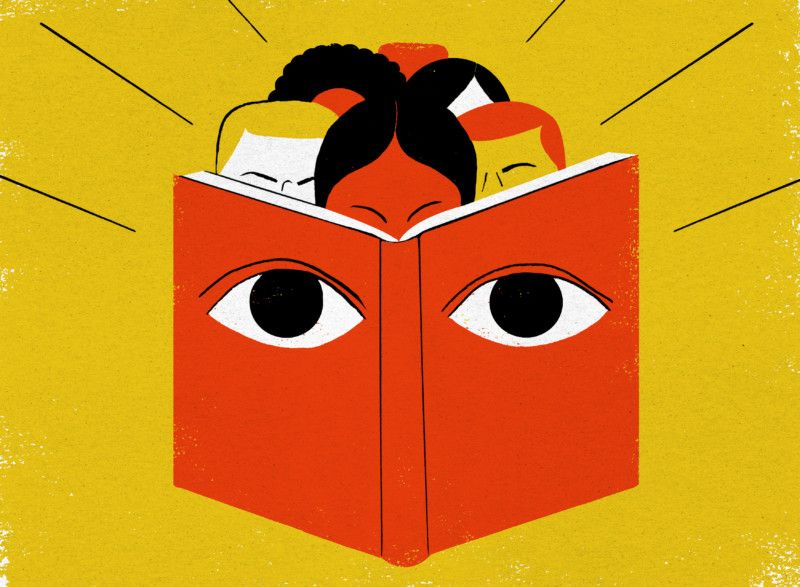
In the face of growing polarization and erosion of democratic norms, democratic schools are more and more an example of how democracy can be meaningfully built from an early age. Democratic education actors have therefore an important role of promoting these practices beyond the school community. Promote participatory decision-making and children’s rights within educational institutions by contributing to policies and initiatives both nationally and on an EU level through consultations and in collaboration with civil society organizations. Join educational networks and share the benefits of democratic education both for students and democratic societies.
9. Connect Learning to Real-World Contexts
Learning in a democracy must be connected to life beyond the school walls. Teachers are encouraged to link classroom experiences with real-world issues and global challenges through students’ engagement in community projects that address taught issues and position young people as agents of change. A successful example towards this direction is the OUTSIDE project, which empowers students as changemakers in their communities. Moreover, in the YouCare project, students conducted their own research on eco-anxiety and drafted policy recommendations to tackle the issue. Democratic education educators may take inspiration from these projects and become a means of engaging with social realities and fostering a sense of purpose in learners
10. Collaborate and Reflect
Democracy in education flourishes through collaboration and reflection. Stay connected to the democratic education community, share good practices, exchange ideas and support one another in developing democratic pedagogies. Regular reflection on your teaching philosophy, classroom dynamics and student’s rights is also essential to remain intentional and responsive in your practice. Reflection may take many forms — self-assessment, journaling, peer observation, and teacher mentoring — but its purpose remains the same: to align teaching and learning more closely to democratic principles.
11. Showcase Commitment to Lifelong Learning
Democratic education is a dynamic practice that evolves alongside society, making continuous professional development essential. Online resources such as the DESC training support this approach by providing educators with practical tools and materials. By remaining curious, adaptive, and open to change, educators can respond creatively to new technological, social, and cultural challenges while keeping democratic values at the heart of their work.
Conclusion
Democratic education is both a philosophy and a daily practice grounded in respect, participation, and shared responsibility. Teachers in Democratic Education are not solely transmitters of knowledge, rather builders of communities and nurtures of civic consciousness. By embracing these guidelines educators contribute to a culture of dialogue, inclusion and empathy, assisting young people to become active, compassionate citizens capable of sustaining democracy in an interconnected world.