THE CHANGE WE WANT:
At QUEST, we believe young people don’t need adults to translate what they want to say. Too often, they are tokenised, routinely consulted to check a box, yet shut out from meaningful decision-making on the very issues that shape their lives. They need real space to say it, and real doors opened to the people who can act on it.
Giving rural youth the room to define their own demands, in their own words and their own format, and then walking those demands into institutions like the EESC and the Committee of the Regions, is exactly the kind of empowerment we exist to make possible.
YOUNG PEOPLE IN RURAL AREAS: CHALLENGES & OPPORTUNITIES
Across Europe, millions of young people (15-25 y/o) – according to an analysis of the EU Youth Dialogue survey data by Ondřej Bárta (2020), roughly a third of the young people surveyed in Europe identifies as living in a rural area – grow up and live in rural and semi-rural areas, where the gap between where they live and where the opportunities sits has become one of the defining inequalities of today’s time.
| Ireland | Spain | Belgium |
|---|---|---|
|
More than 36% of Northern Ireland’s population lives in a rural area. (Rural Population Grows Three Times Faster Than Urban | Northern Ireland Statistics and Research Agency, 2026) |
Around 20% of the population of Spain lives in a rural area (Rural Youth Are Taking the Lead in Shaping Rural Europe in 2040. | Red PAC, n.d.) |
Belgium is one of the most urbanized countries in the EU, and the youth population is heavily concentrated in urban and suburban environments. The share of young people living in areas defined as ‘predominantly rural’ is exceptionally low compared to the European average, likely falling well into the single digits. |
THE INCLUSIVE VOICES PROJECT
INCLUSIVE VOICES Erasmus+ Project put us in contact with Love & Care for People (Ireland) and YOUTH CRL, two youth organizations that advocate for the rights of young people.
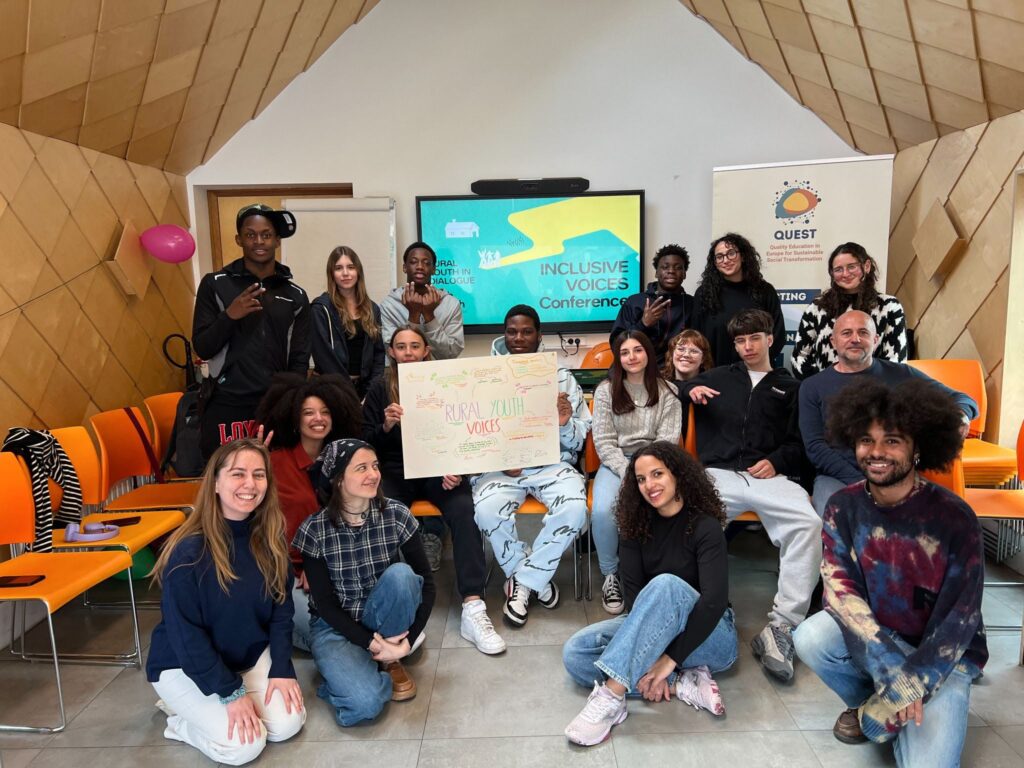
When we hosted the Inclusive Voices Conference in March 2026 in Brussels, young people from Belgium, Ireland and Spain came together in Brussels! QUEST welcomed this opportunity to engage young people in understanding and reflecting more on what does European Youth Participation means in practice.
And from the simple question “WHAT DO YOU WANT TO CHANGE?” we moved from discussing issues and understanding the challenges youth face in rural areas , towards putting in practice meaningful participation.
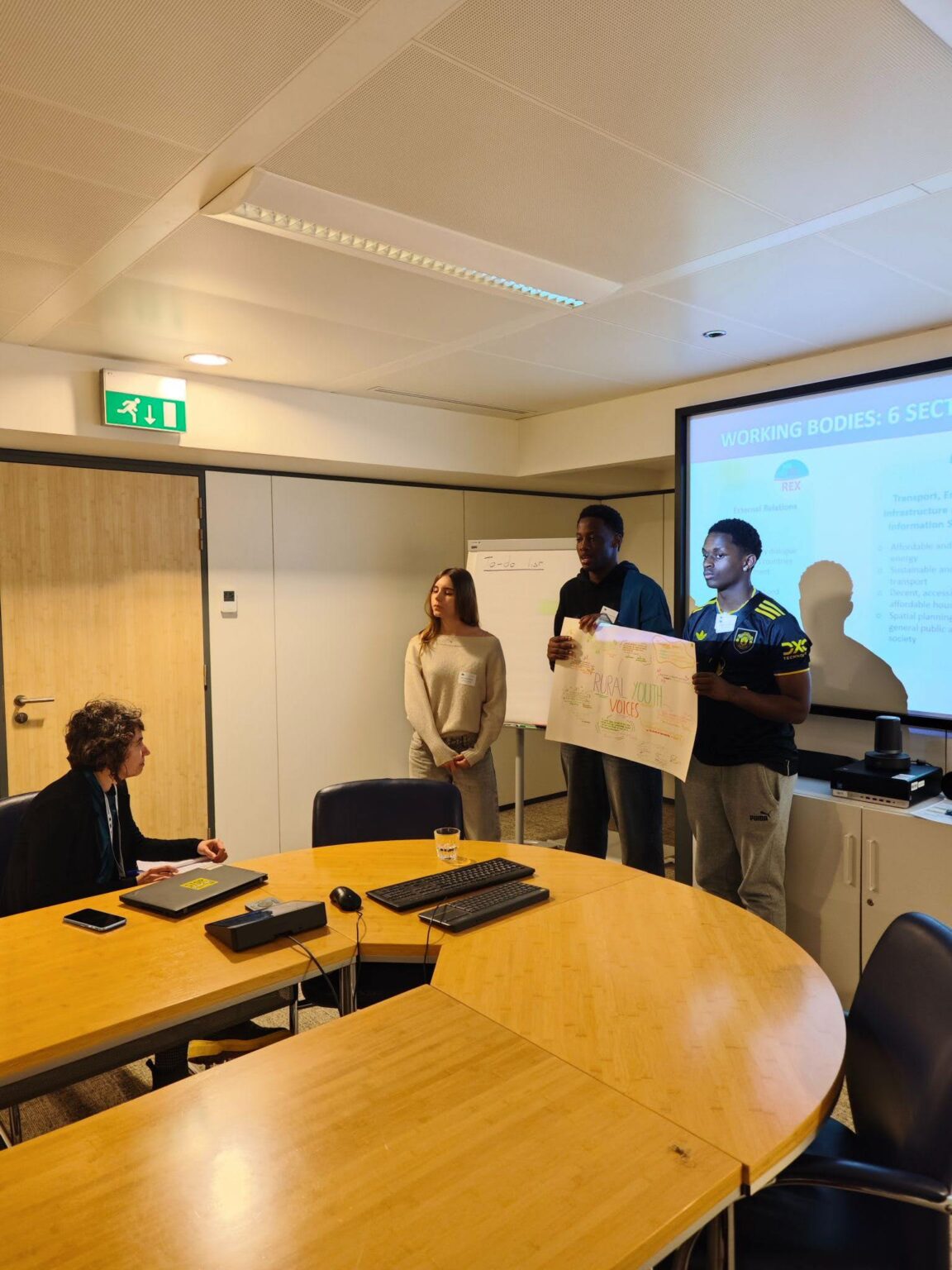
The result was a YOUTH MANIFESTO, signed by all the youth participating, and presented by Mónica Vivar Alonso (Sapin), Valentine Awuzie Onyechi (Ireland), and Troy Iyaloo Omoro (Ireland) directly to Agnès Munoz Gomà of the European Economic and Social Committee (EESC) and Klaus Hullmann, Administrator at the European Committee of the Regions.
THE PROCESS: FROM QUESTIONS TO DEMANDS
Before any dialogue with policymakers can happen, though, young people need the space to define, together, what they actually want to say. And for that to happen, it is important to create a safe and brave space where young people can brainstorm ideas, share their lived experiences and grow their confidence.
Empowering young people to express themselves starts with supporting them to build knowledge and self-assurance on the topics that matter most to them.
For this reason, we have designed a three step format to boost their creativity, critical thinking, and self-expression:
1. DEFINE THE ISSUE:
We opened with a collective mind.mapping exercise.
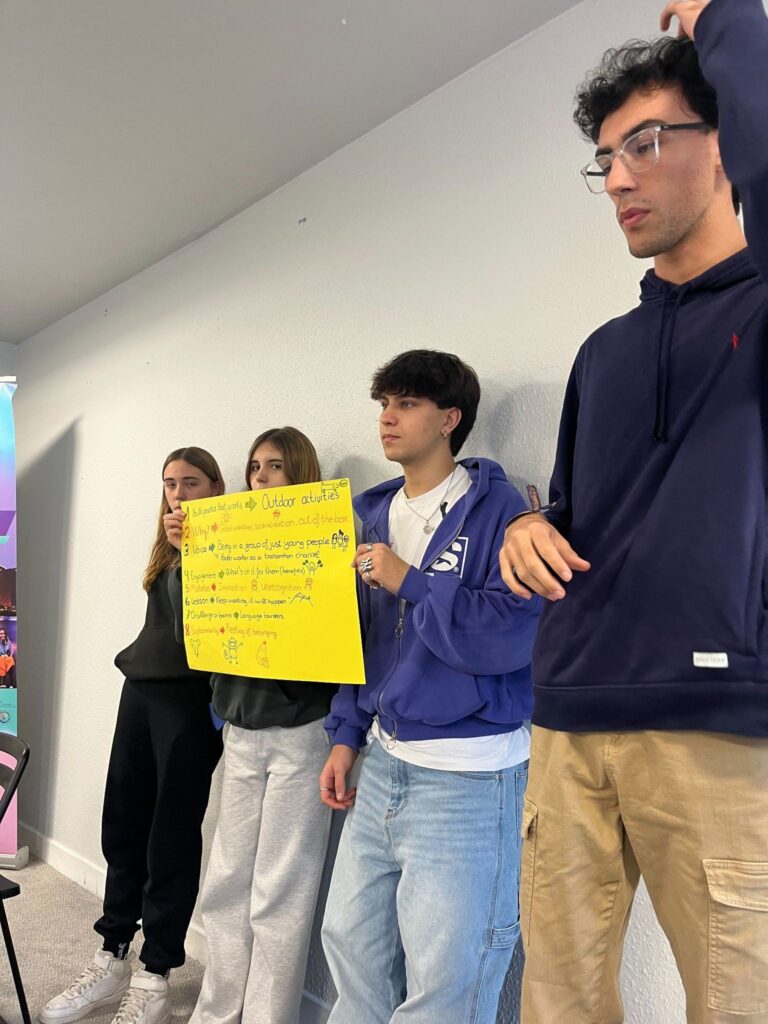
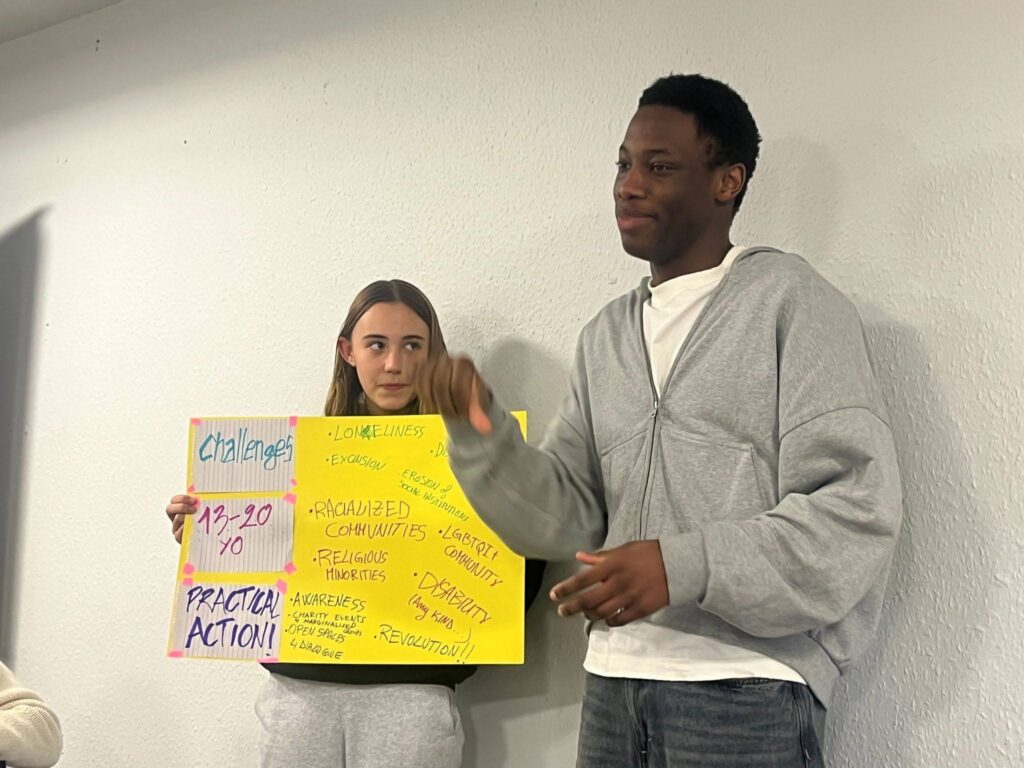
Young people got to name the most common issues they encounter in their daily lives: the bus that never comes, the school that teaches for exams but not for life,the job market, the landlord who won’t rent to someone who “looks foreign”, the feeling of being judged or not being heard.
No answers were more important than others, and no answers were wrong.
2. UNDERSTAND YOUR RIGHTS:
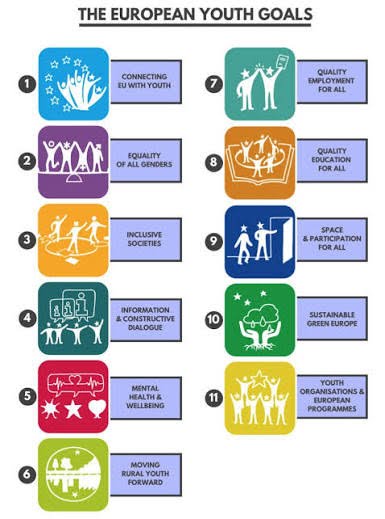
Once the issues were identified, we introduced to the participants the European Youth Goals, 11 big Ideas co-created by young people in Europe to guide European leaders!
Our young people read and reflected on these goals and grouped their challenges under the ones more relevant to them. Of course there were some connections and intersectionalities between the goals, and this was important to see because the issues of young people are often interconnected. Learning about what their peers around Europe defined as top priorities for common challenges was very useful for our youth to cultivate hope and understand better their own right.
3. DRAW YOUR REQUESTS FOR CHANGE:
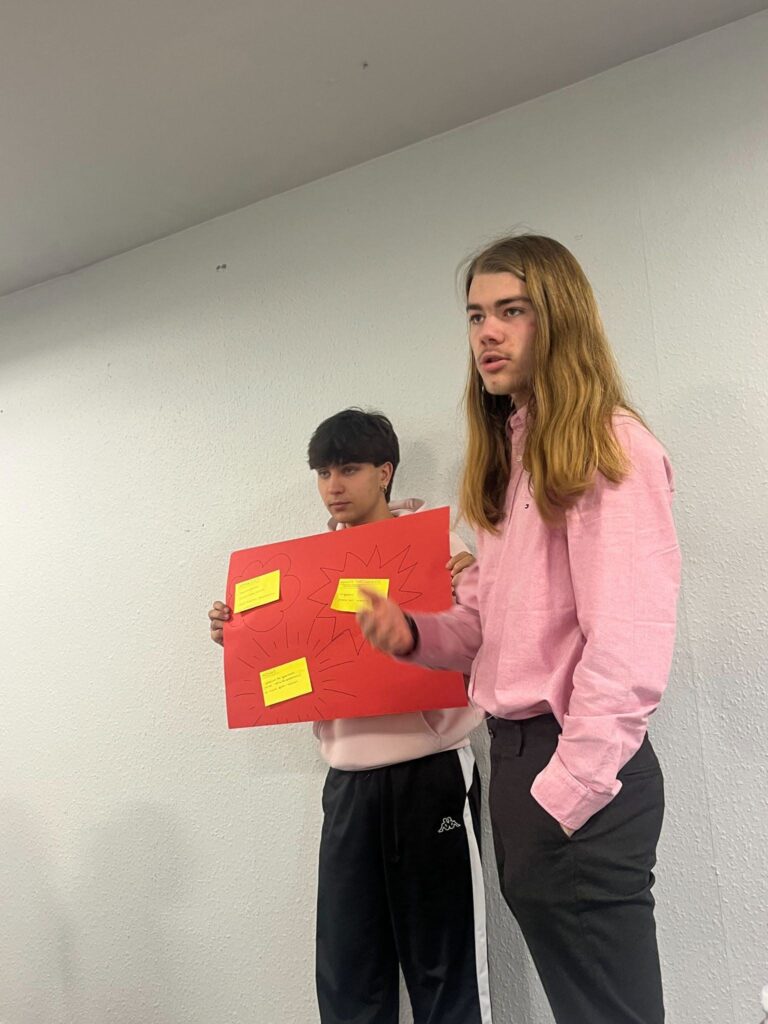
At this point the participants had clear their issues and what should be done about it, so they applied those reflections to their lived realities in rural areas. And this is how the deliberative and creative process of drawing the Manifesto of Changes Young People in Rural Area Want began!
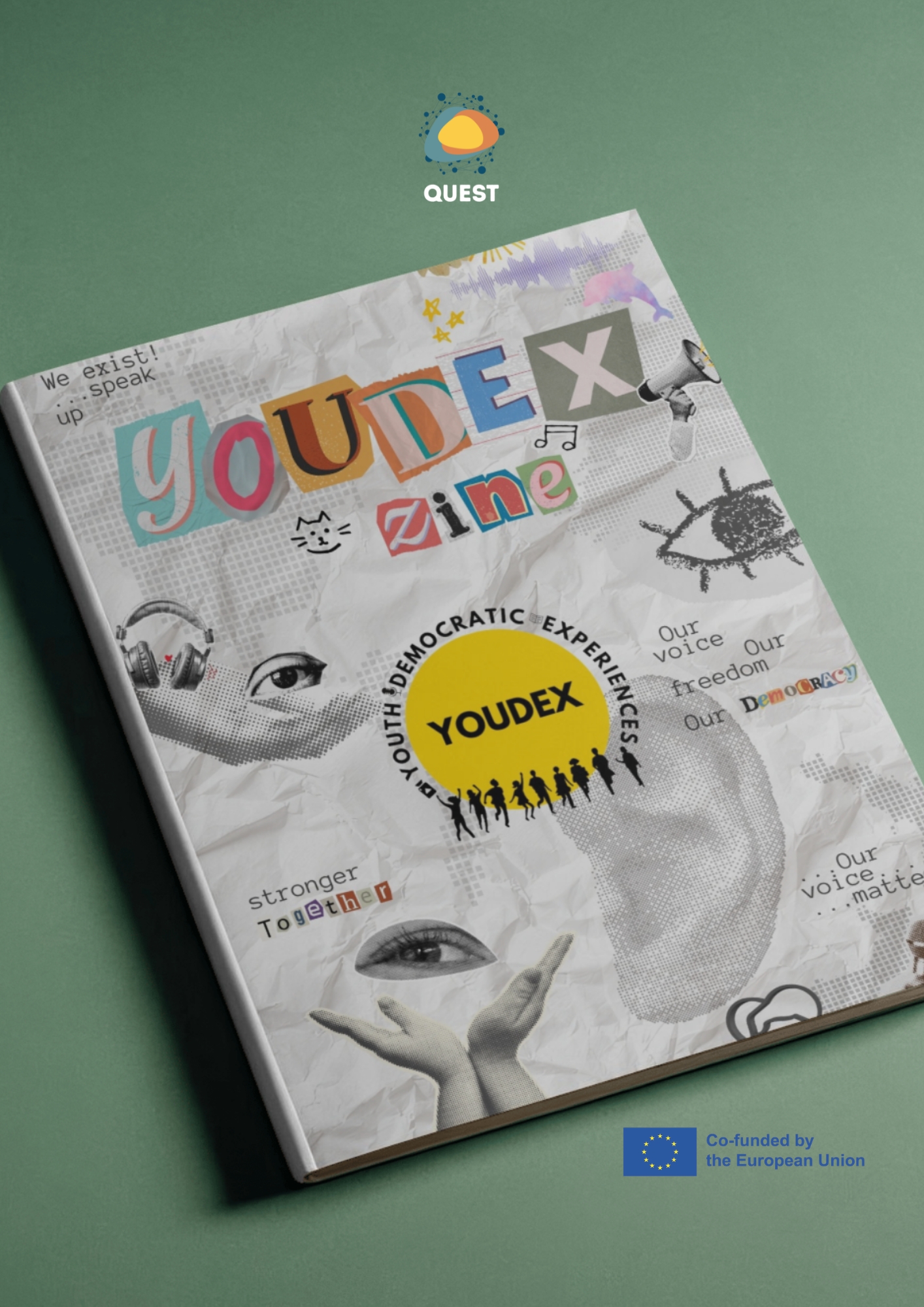
With a bit of music, a large table and enough coloured papers, we made a deliberate choice not to write it into a formal policy document, but to keep the form free and for them to decide how to create it. Icons, hand-lettering, and doodles enriched each demand, so that everyone on the table participated with to giving life to this Manifesto.
Every idea was connected explicitly to the EU Youth Goals, further enriching the Youth-Dialogue around Europe.
THE RESULT?
A manifesto of Demands, created and presented, by young people from the youth organization Love and Care for People (Ireland), Youth CRL (Spain), and QUEST (Belgium).
This manifesto now becomes a tool: a starting point for the dialogue sessions Inclusive Voices is building between rural young people and local, national, and EU decision-makers over the coming months.