
The SOCIS consortium convened a cycle of workshops in March 2023 called “Sociocracy in Schools”.
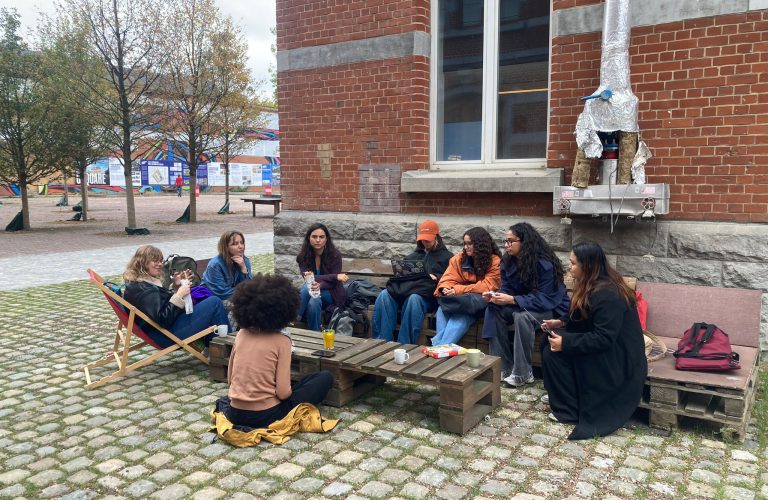
The Workshop series was held in virtual format. Four sessions, each 3 hours and half in length, brought together around 50 participants who contributed to the workshops by exchanging personal experiences, doubts, opinions, informations and insights on the topic of the workshops.
Participants came from a wide range of countries, from different school types (private, public, democratic, waldorf, kindergarten, elementary, middle school, high school, …) and had different backgrounds regarding school (parents, teachers, administration, researchers, …).
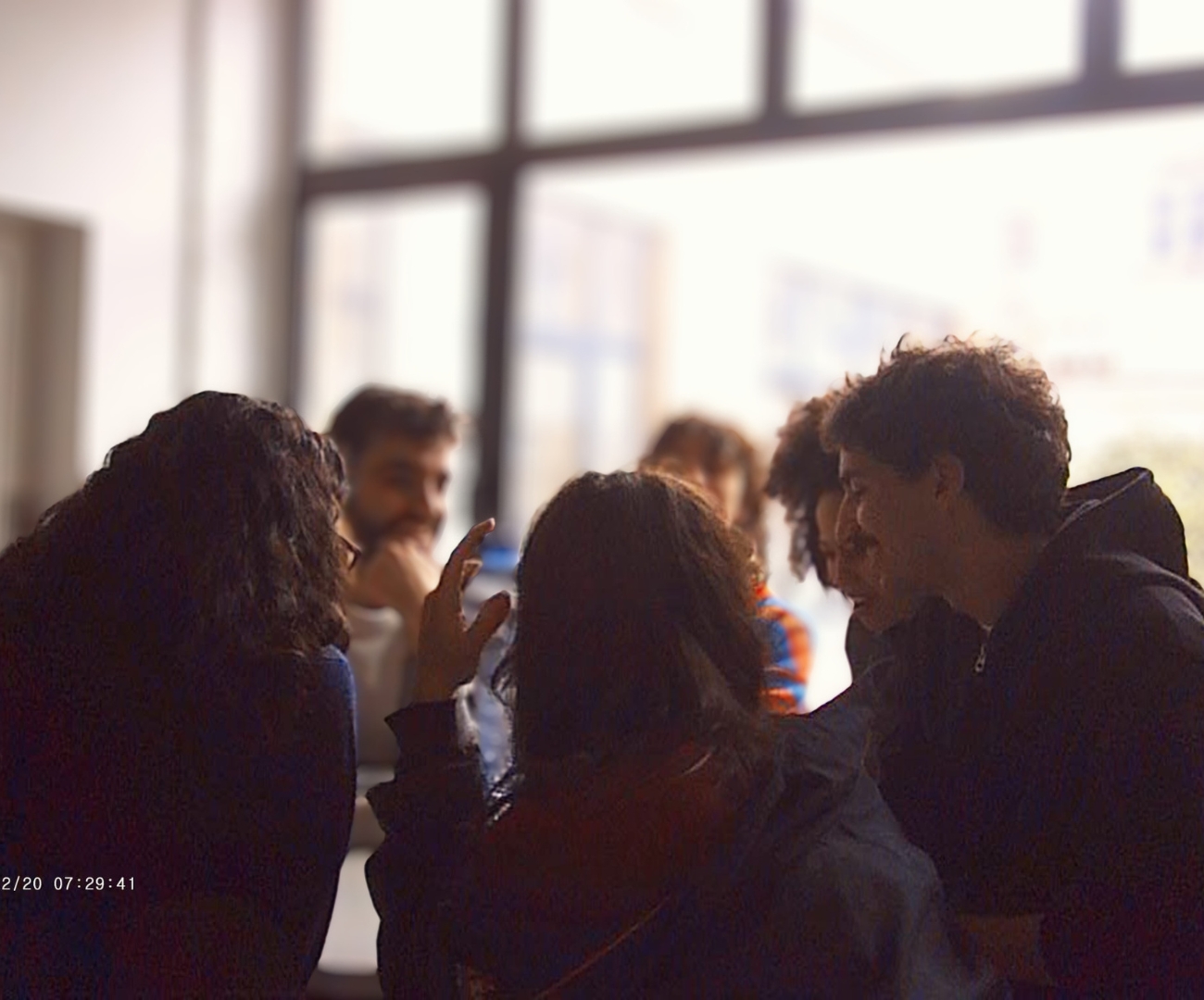
The four sessions were held in a similar format: at the beginning of every session, a presentation was given addressing cross- cutting issues. Then guests speakers have been invited at every sessions to share their expertise through an interview format. Finally, a more interactive moment would take place , where the participants could join small discussions or exercise groups.
Moments for questions and answers where also present in every sessions to allow participants to have their doubts solved and to exchange deeper on the subject.

For more information, please reach out to Martina Paone: martina@quest-eu.org