How do colonial legacies continue to shape youth work today? How do power, privilege and exclusion influence the spaces where young people participate? What role can youth workers play in creating more inclusive organisations and communities?
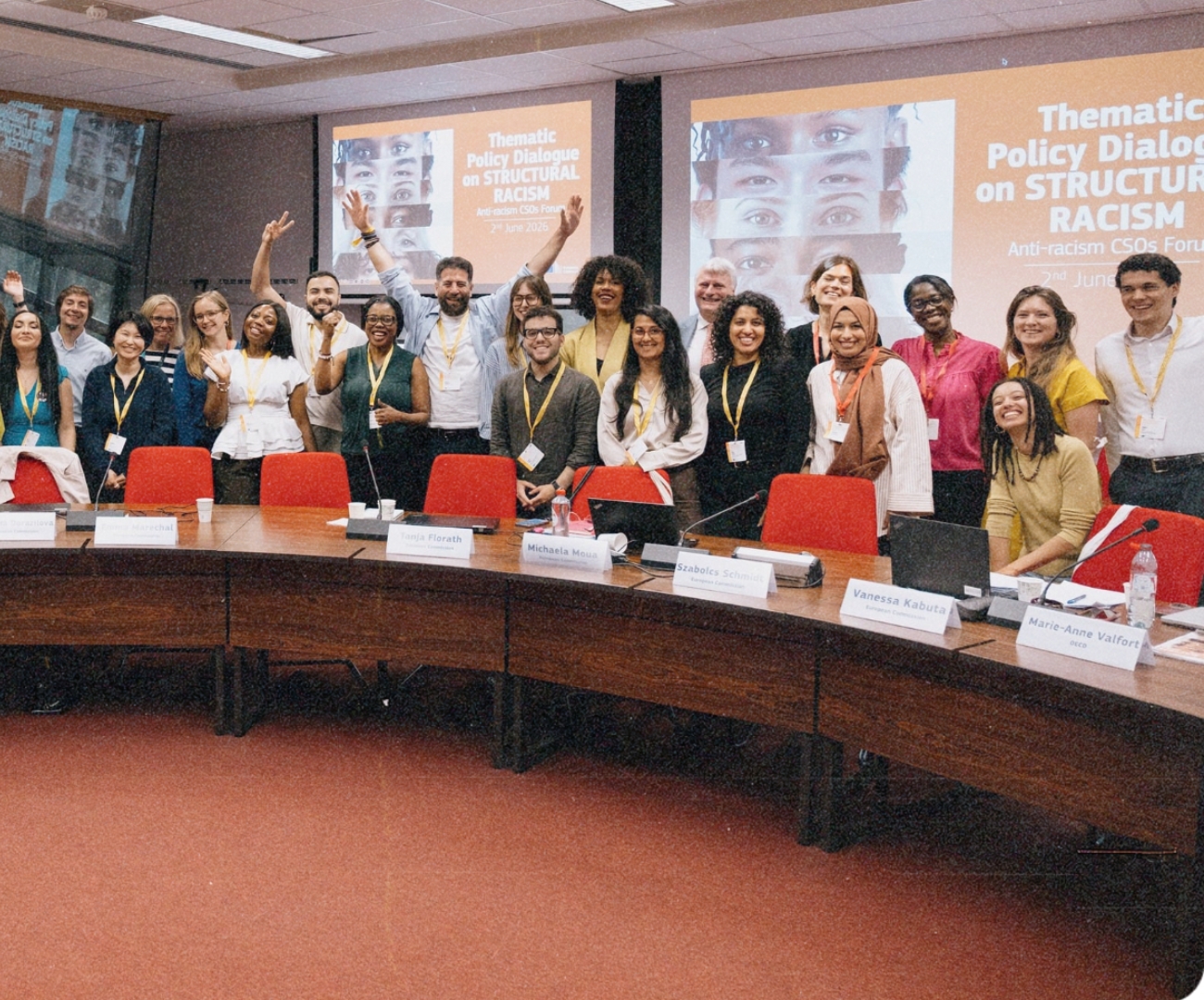
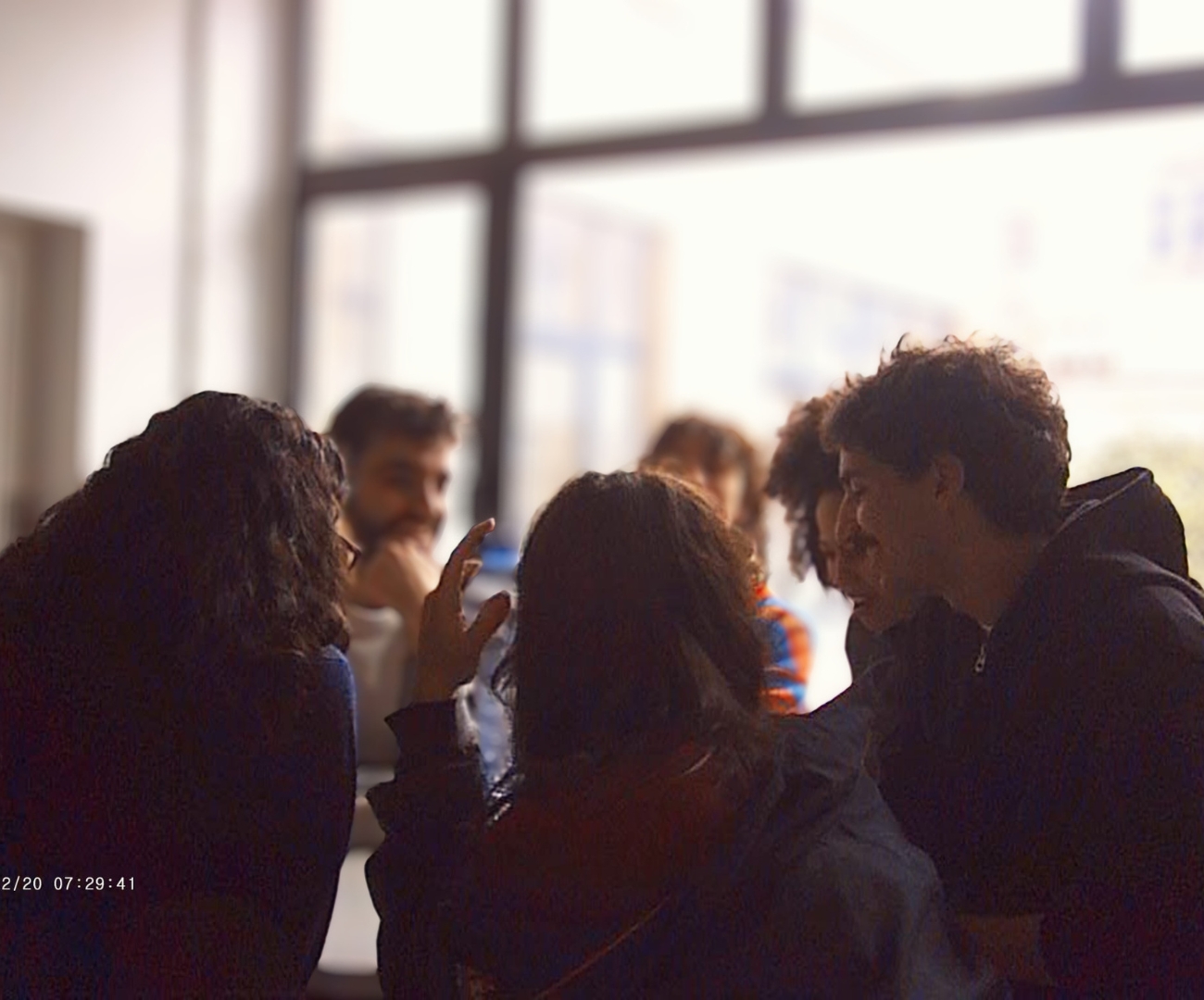
The Decolonizing Approaches through Reflexivity and Exchange (DARE) training brings together youth workers from Belgium, Greece, Spain and Italy for a week of learning, reflection and collaboration.
Throughout the programme, participants will explore how colonialism, racism, eurocentrism and systemic inequalities continue to impact youth work practices across Europe. Through workshops, group discussions, artistic methods and shared experiences, they will examine their own realities and develop practical strategies for change.
Reflect, question and reimagine
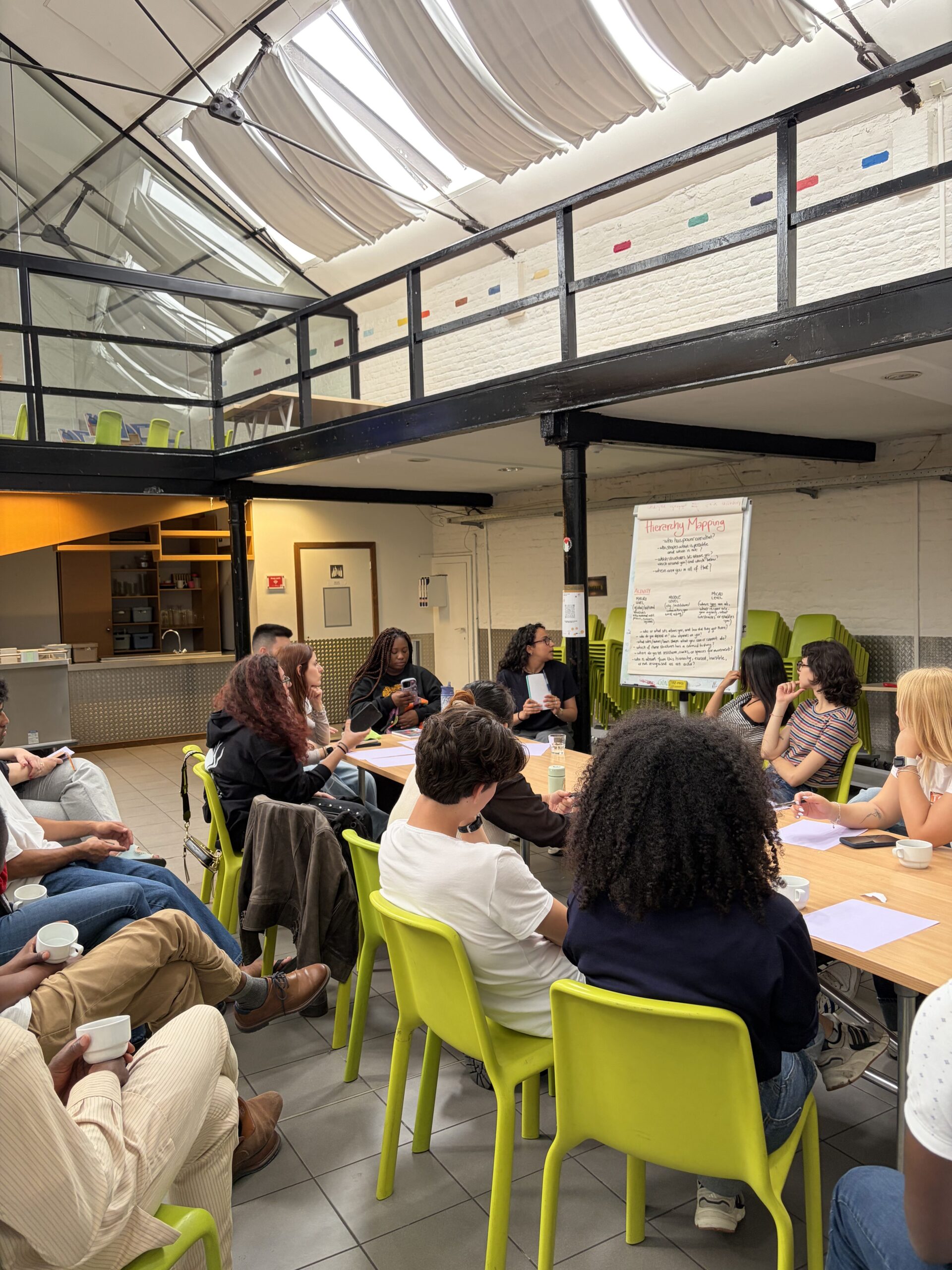
During the training, participants will engage in workshops on coloniality, power structures, privilege, accountability and social hierarchies. Together, they will explore concepts such as critical whiteness, intersectionality and power mapping through accessible and participatory activities.
The programme combines reflection with action. From expectation mapping and storytelling exercises to creative performances and collaborative discussions, each session encourages participants to connect theory with practice and identify concrete steps for change.
By the end of DARE, participants will have gained new perspectives, practical methodologies and a stronger understanding of how to challenge exclusionary structures. More importantly, they will leave with the confidence and tools to create meaningful change in the communities and organisations where they work.
Creating a Safe, Inclusive and Supportive Classroom
Sehlim Charles
Biography coming soon.
Young Children’s Voices in Educational Decision-Making: Power and Participation in Disadvantaged Preschool Classrooms
Duygu Yalman Polatlar
Duygu Yalman Polatlar is an Assistant Professor at Fatih Sultan Mehmet Vakıf University, Türkiye. Her research focuses on early childhood education, children’s literature, children’s rights, and children’s participation.
Alperen Avcı
Alperen Avcı is a lecturer at Muş Alparslan University, Türkiye, and a PhD candidate in Preschool Education at Fatih Sultan Mehmet Vakıf University.
Rights-based Participation of Children with Special Educational Needs in Educational Decision-Making
Lenka Mazáková
Lenka Mazakova is a co-founder of the Slobodna skola. She specializes in inclusive educational practices for students with diverse needs and behavioural challenges in democratic school environments.
From Participation to Practice: How Evidence-Based Wellbeing and Equity-Focused Leadership Can Shift Power Towards Children’s Voices in Education
Geetika Goyal
Biography coming soon.
Jayne Carter
Biography coming soon.
Reimagining Educational Research Through Children’s Participation: Insights from Transdisciplinary and Participatory Approaches
Sarah Zerika
Sarah Zerika holds a PhD in Educational Sciences and is a Substitute Research and Teaching Fellow at the University of Geneva’s Centre for Children’s Rights Studies. Her research focuses on children’s rights and participation in education, school climate, transdisciplinary approaches, and the ethics of research involving children.
Johanna Zelck
Johanna Zelck is a research and teaching assistant at the Martin-Luther-University Halle-Wittenberg. Her doctoral research focuses on children’s interpretation and negotiations of the generational order and adultism.
Maude Louviot
Biography coming soon.
From Consultation to Co-Creation: Child Leadership in Practice in Bosnia & Herzegovina and Serbia
Nejira Pasic
Nejira Pašić is the Children’s Rights Project Lead for Southeast Europe at the Global Campus of Human Rights, where she leads children’s rights mainstreaming and programming, including the Child Leadership Team and Youth Advisory Group. She is also a Lecturer at the Sarajevo School of Science and Technology, teaching research methods, public policy and human rights.