
Research report: democratic education in schools (executive summary)
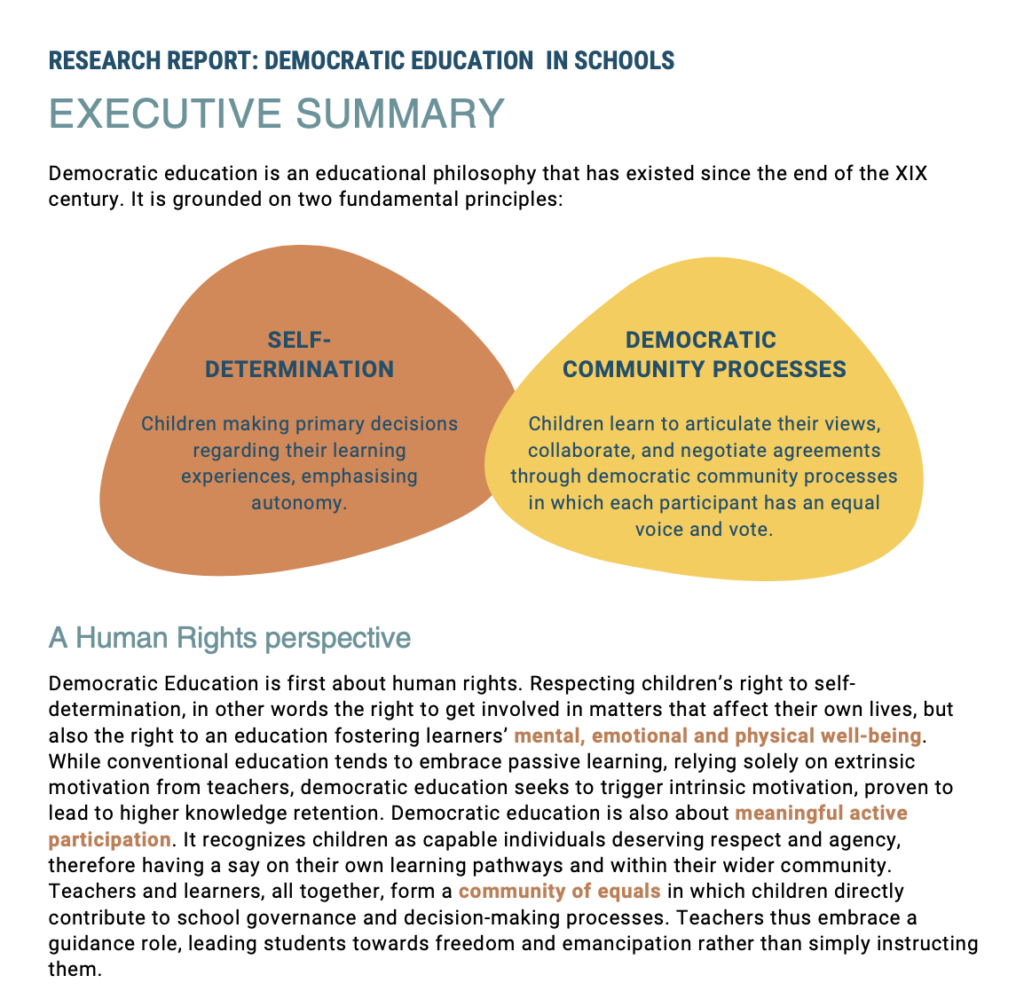
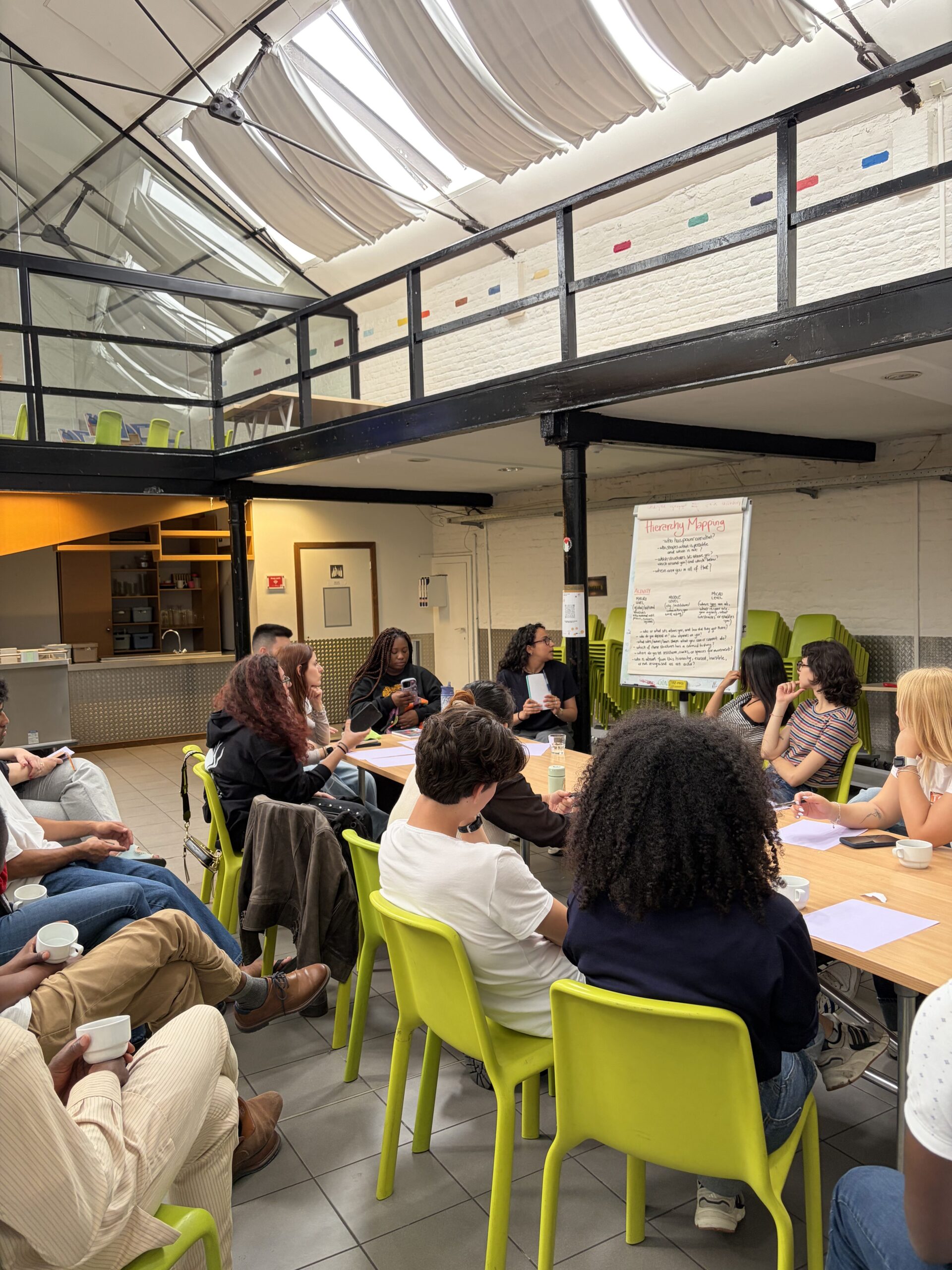
View as a pdf Democratic education is an educational philosophy that has existed since the end of the XIX century. It is grounded on two fundamental principles: SELF-DETERMINATIONChildren making primary decisions regarding their learning experiences, emphasising autonomy. DEMOCRATIC COMMUNITY PROCESSESChildren learn to articulate their views, collaborate and negotiate agreements through democratic community processes in which […]
Education in nature: the bedrock of our future
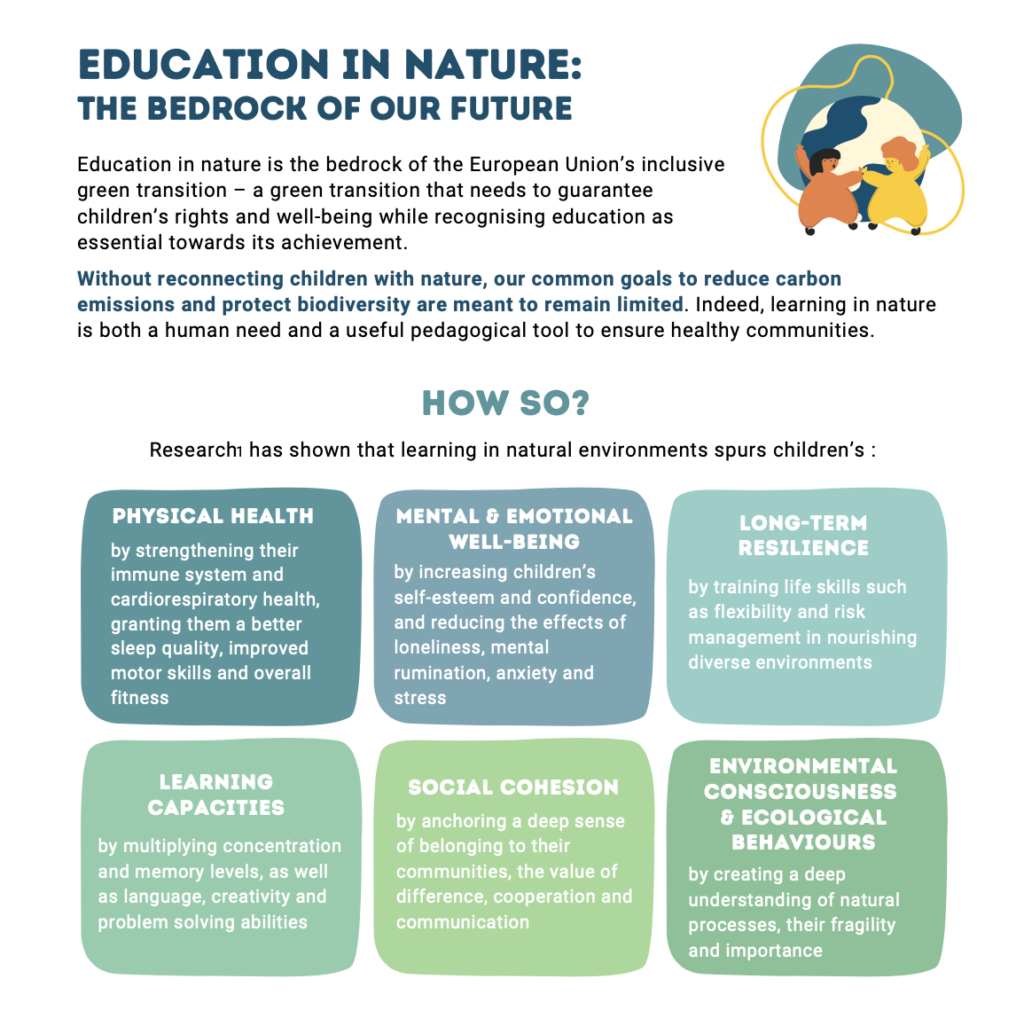
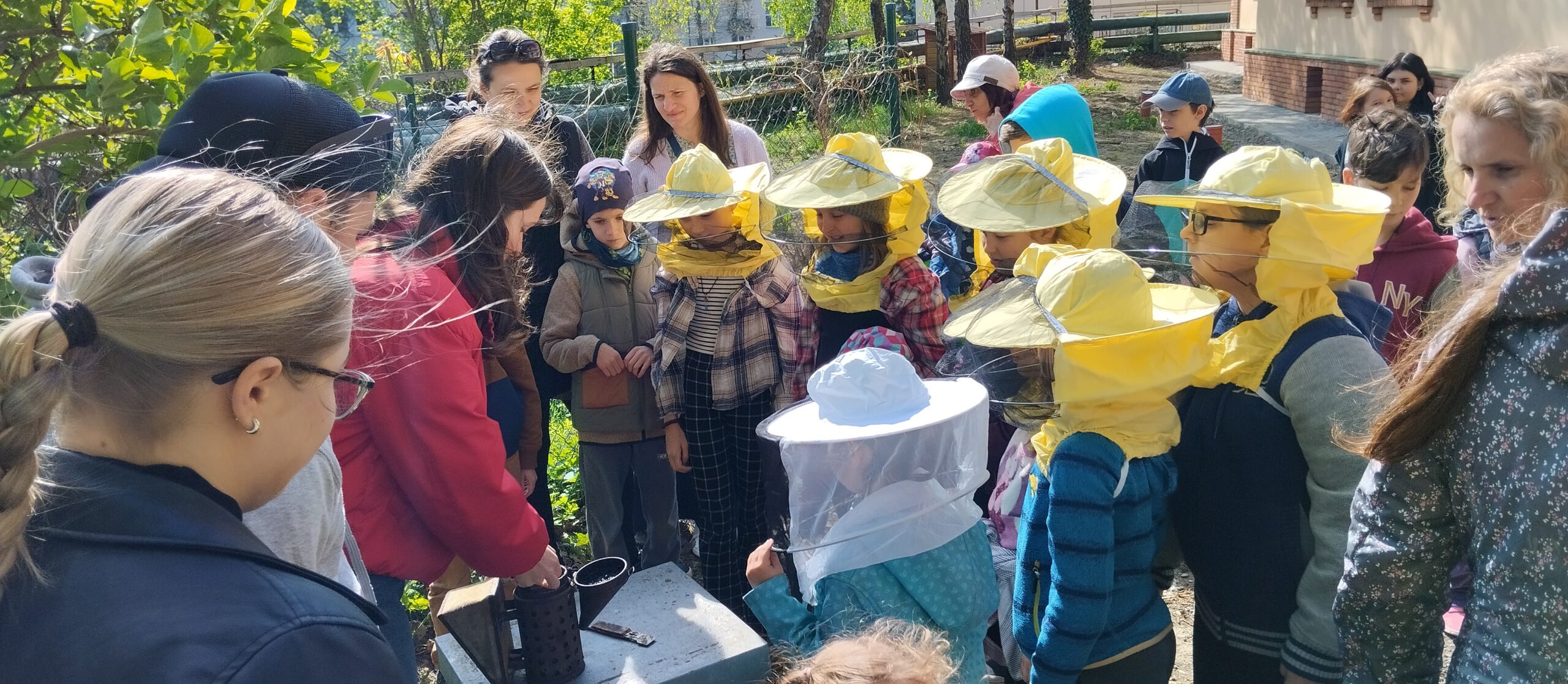
Education in nature is the bedrock of the European Union’s inclusive green transition – a green transition that needs to guarantee children’s rights and well-being while recognising education as essential towards its achievement.Without reconnecting children with nature, our common goals to reduce carbon emissions and protect biodiversity are meant to remain limited. Indeed, learning in […]
Outside Joint Report

This report outlines the results emerging from the desk and field research in the four partner countries: Italy, Croatia, Belgium, Lithuania.Before presenting a focus on each country’s result and a compared analysis from the four countries, the report briefly introduces what were the aims of the research and what has been the methodology put in […]
Position Paper on Open Schooling
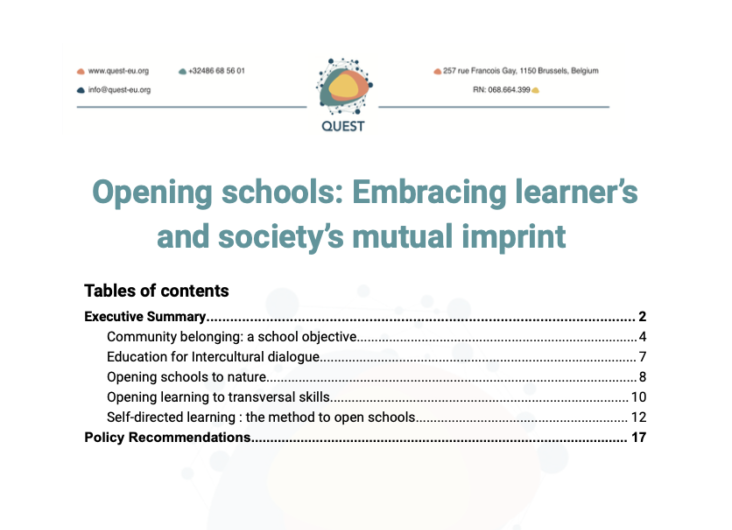
Opening schools: Embracing learner’s and society’s mutual imprint
Impact Report: Building skills through training Therapy animals

The BUSTA (Building Skills through Training therapy Animals) project is a partnership project, financed by the European Union, between six organisations in three different countries – Belgium, Lithuania and Bulgaria. Three schools and three associations worked upon creating alternative school programs and educational approaches including activity sessions with therapy animals in the period of March […]
Guidelines: Building Skills through Training of therapy Animals
The BUSTA (Building Skills through Training therapy Animals) project is a partnership project, financed by the European Union, between six organisations in three different countries – Belgium, Lithuania and Bulgaria. Three schools and three associations worked upon creating alternative school programs and educational approaches including activity sessions with therapy animals in the period of March […]
Guidelines: Democratic Education in Nature

DEN (Democratic Education in Nature) is a European project funded by the Erasmus+ Programme (Key Action 2 – Cooperation for Innovation and Exchange of Good Practices). Responding to the needs of offering innovative pedagogical experiences promoting children’s environmental stewardship, active citizenship and promotion of inner motivation and talents, the project has the ambition to systematise […]
Workshop proceedings: Democratic Education in Nature

The Democratic Education in Nature consortium convened a cycle of workshops from the 2nd of February to the 23rd of February 2023 called “Democratic Education in Nature: putting quality education in practice”. The Workshop was held in virtual format. Four sessions, each 3 hours in length, brought together 50 participants live and other 70 who […]
Toolkit: Outside project

The “OUTSIDE Toolkit for TEACHERS: Environmental Education through Open- Schooling” is the first result of the Project. The main purpose of the Toolkit is to guide teachers in implementing the three steps of the OUTSIDE methodology. According to the needs identified and the gaps observed both during the desk and the field research, the OUTSIDE […]
Guidelines: Sociocracy in schools
SOCIS is a European project funded by the Erasmus+ Programme (Key Action – 210 – Small scale partnership cooperation for Innovation and Exchange of Good Practices). The duration of the project is of 16 months, from 01/04/2022 to 31/07/2023 SOCIS is implemented by 2 European Countries (Belgium and Austria). The partnership is made up of […]